

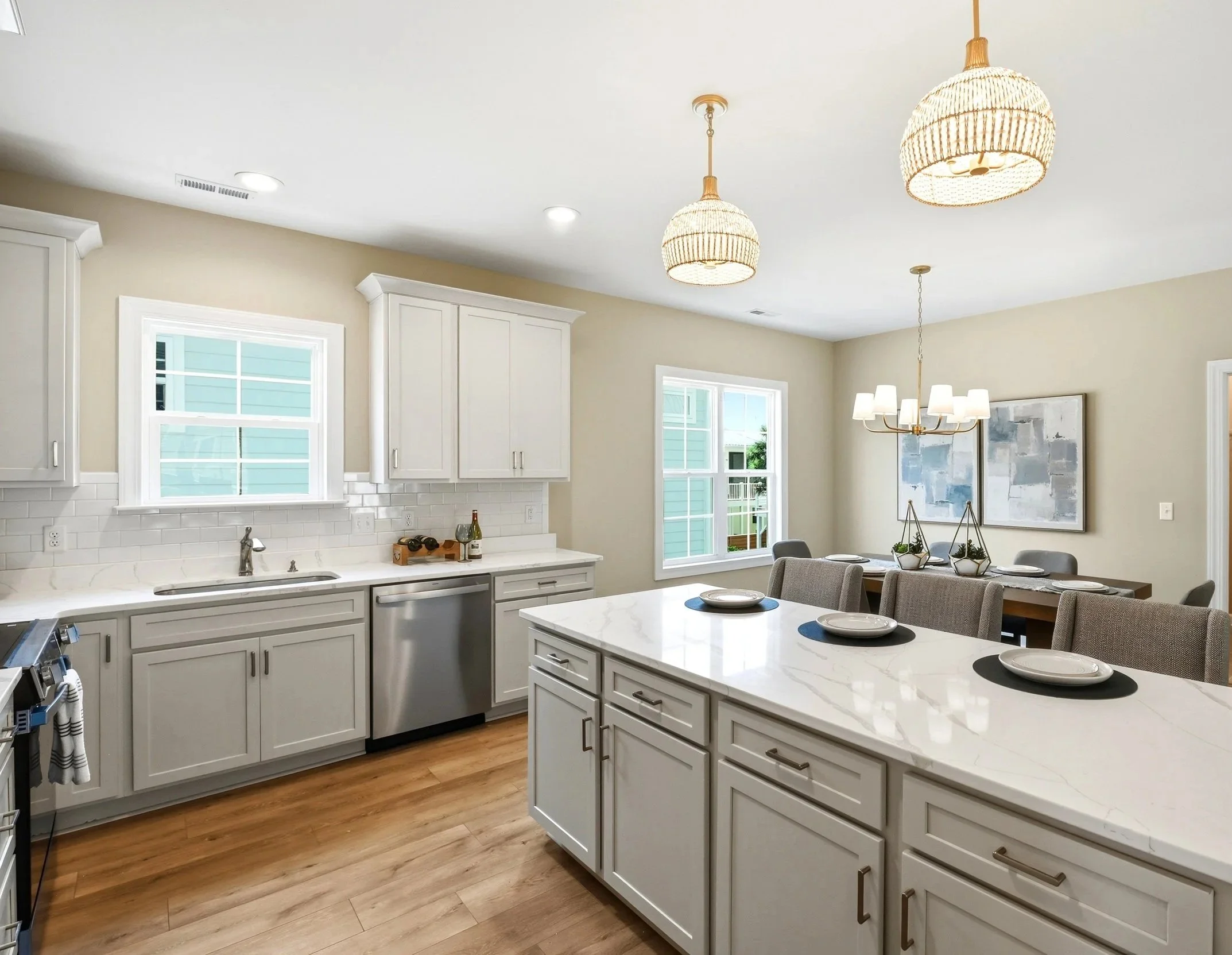
After a day of showings, buyers have plenty to sort through. Which house had the larger living room? Was the dining area in the second home or the third? Home staging helps give those spaces an identity, so buyers have something specific to picture when they revisit their options.
For sellers and real estate agents, that matters beyond the first impression. A home needs to hold its appeal after buyers leave, compare listings, and talk through where they can see themselves living. We call that lasting impression the “lingering effect”: the way a well-presented home can stay part of the conversation long after the showing ends.
Why Empty Homes Can Be Harder to Remember
An empty room reveals its walls, windows, and floors. What it may not communicate is how that space works as part of a home.
Buyers have to supply the missing information themselves. Where would the sofa go? Is there room for a dining table? What would make that long stretch beside the windows useful?
When several properties have similar finishes and layouts, those unanswered questions can make the rooms harder to distinguish. Buyers may remember that a house was clean and spacious without being able to recall much about the living area itself.
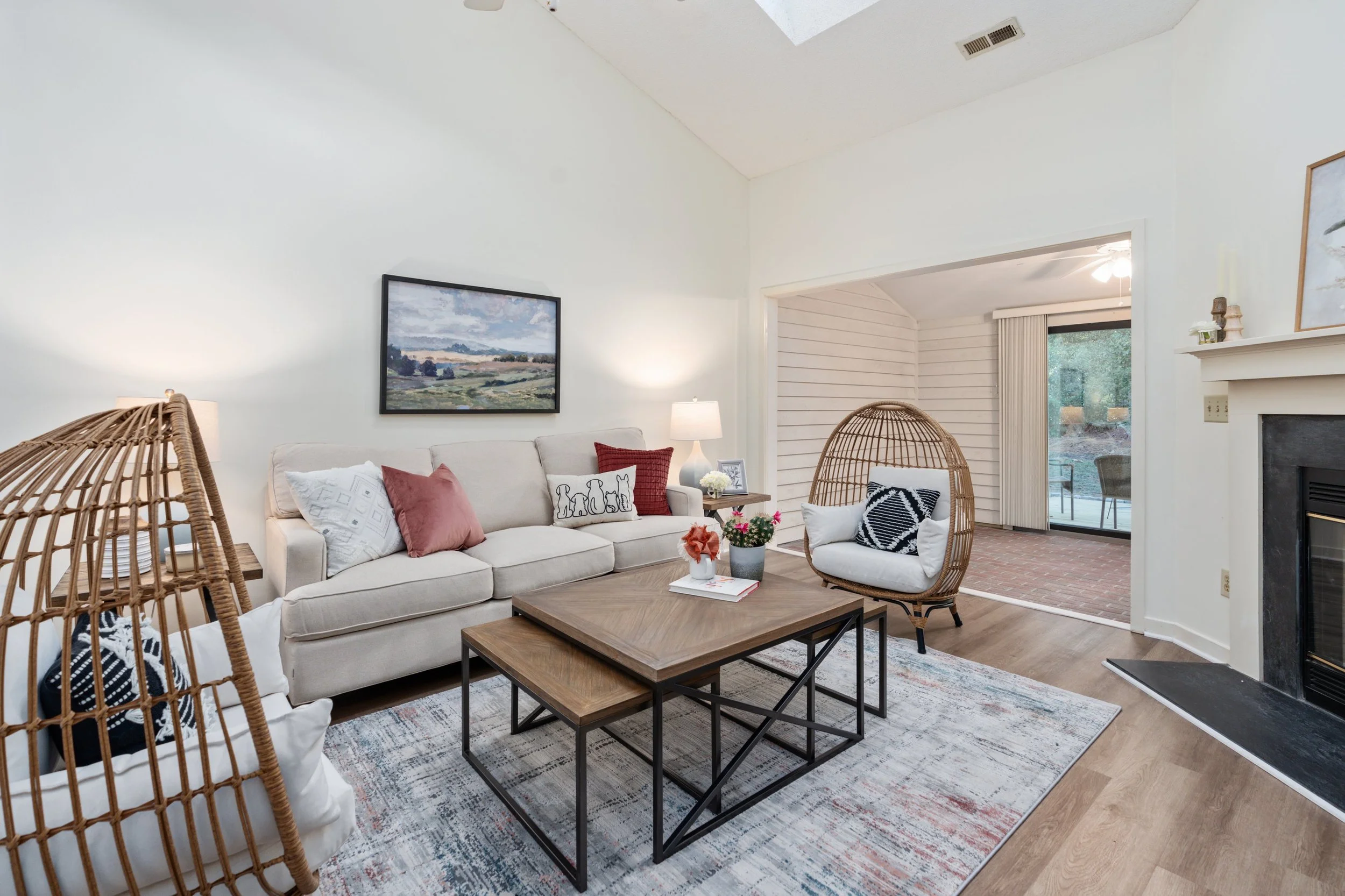
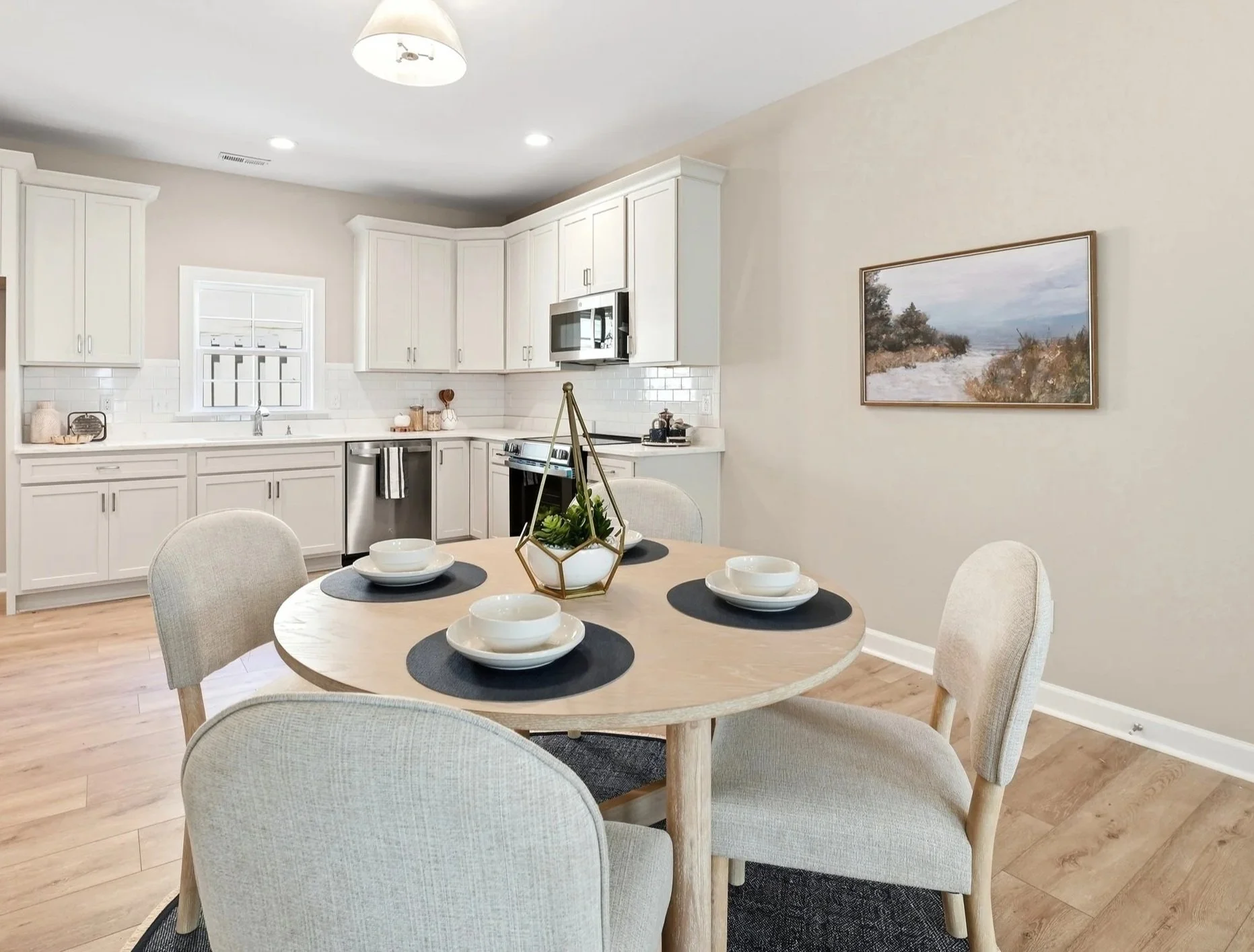
Furniture gives the room recognizable reference points. A pair of chairs beside a fireplace establishes a conversation area. A dining table shows where people can gather without interrupting the route to the kitchen. The buyer has a complete scene to refer back to, rather than an empty footprint to reconstruct.
Not sure which updates are worth the investment before you sell?
Download our free guide to learn the 7 updates that are usually worth making - and 5 projects that often aren’t.
How Home Staging Creates an Emotional Connection
There is a difference between recognizing that a house meets your requirements and beginning to picture your life there.
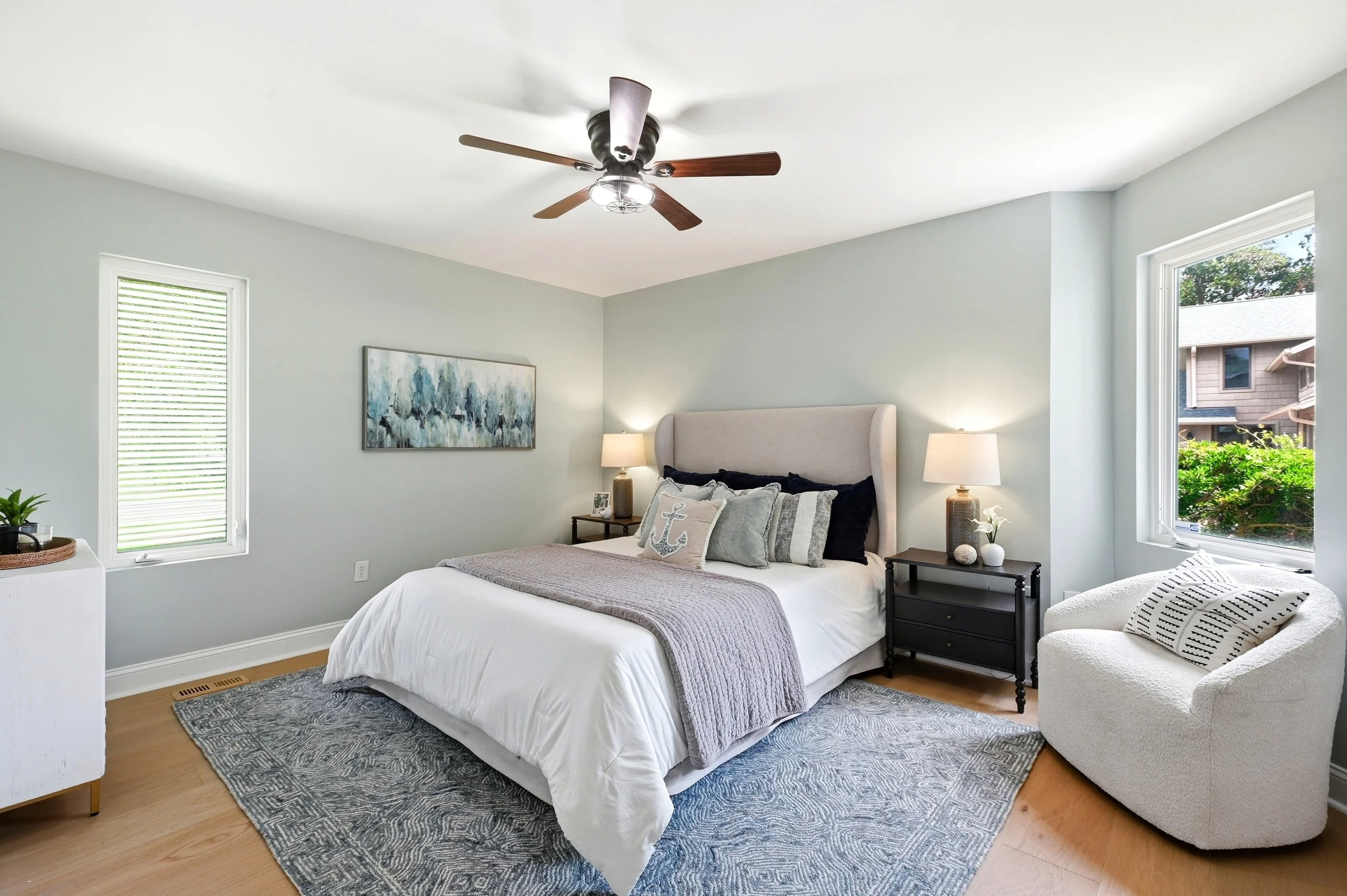
A bedroom with a balanced furniture arrangement and soft, layered bedding can suggest a comfortable place to end the day. A seating area facing the garden can help buyers imagine taking a quiet break with a view. These are small, believable moments that connect the property to everyday life.
That ability to visualize matters. In the National Association of REALTORS®’ 2025 Profile of Home Staging, 83% of buyers’ agents said staging made it easier for buyers to envision a property as their future home.
The emotional imprint comes from the experience the room suggests. The furniture helps buyers recognize something they want from their next home: space to host, a comfortable place to unwind, or an easier daily routine.
What Makes a Staged Home Memorable
Memorable staging gives buyers a clear way to describe the property afterward.
“The one with the sitting area looking out at the backyard.”
“The house where the whole family could fit around the table.”
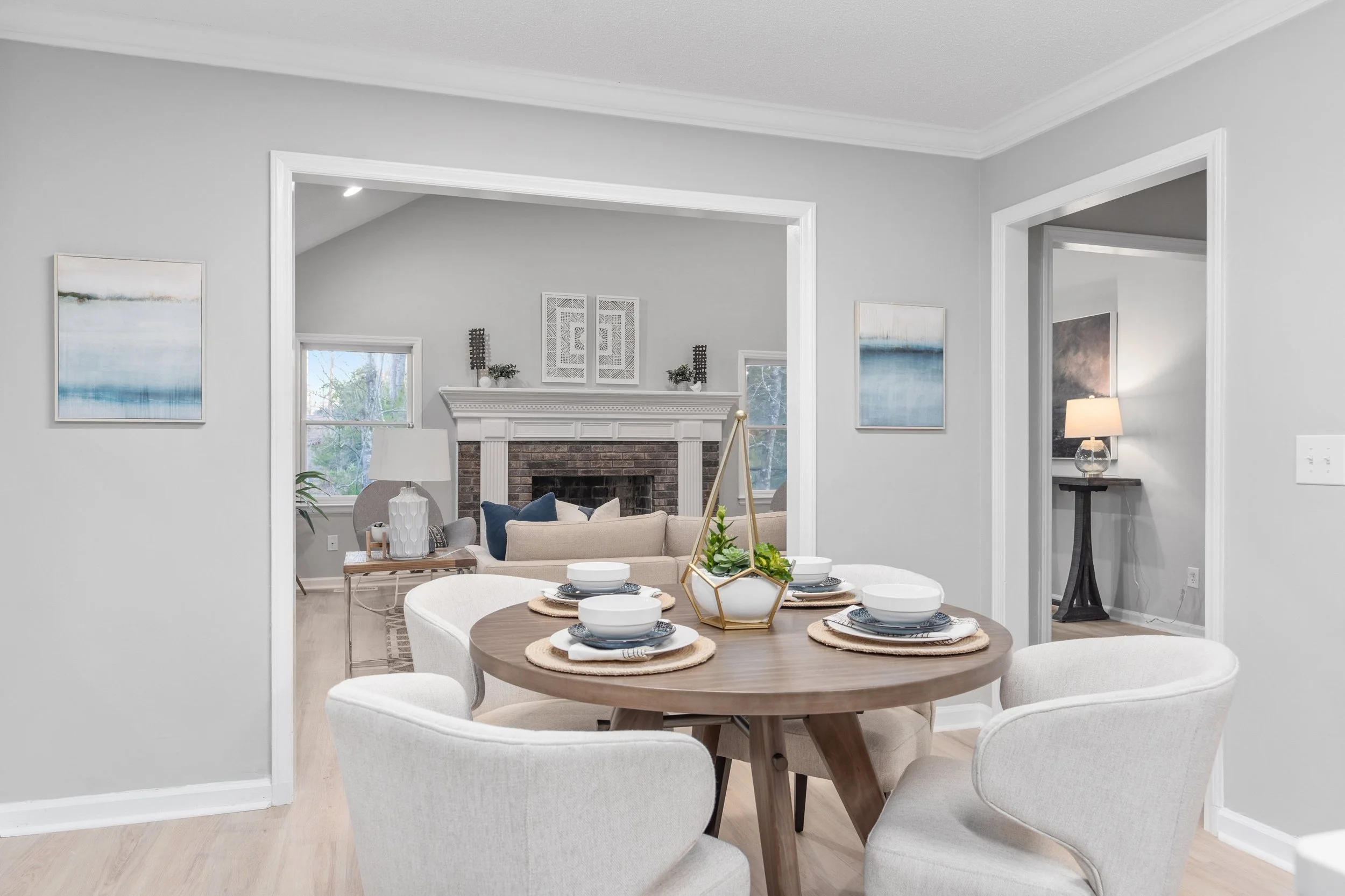
Those descriptions connect a feature of the house to a useful, appealing experience. A distinctive sofa alone may attract attention, but a furniture arrangement that makes the fireplace, windows, and room proportions work together gives buyers a reason to remember the home itself.
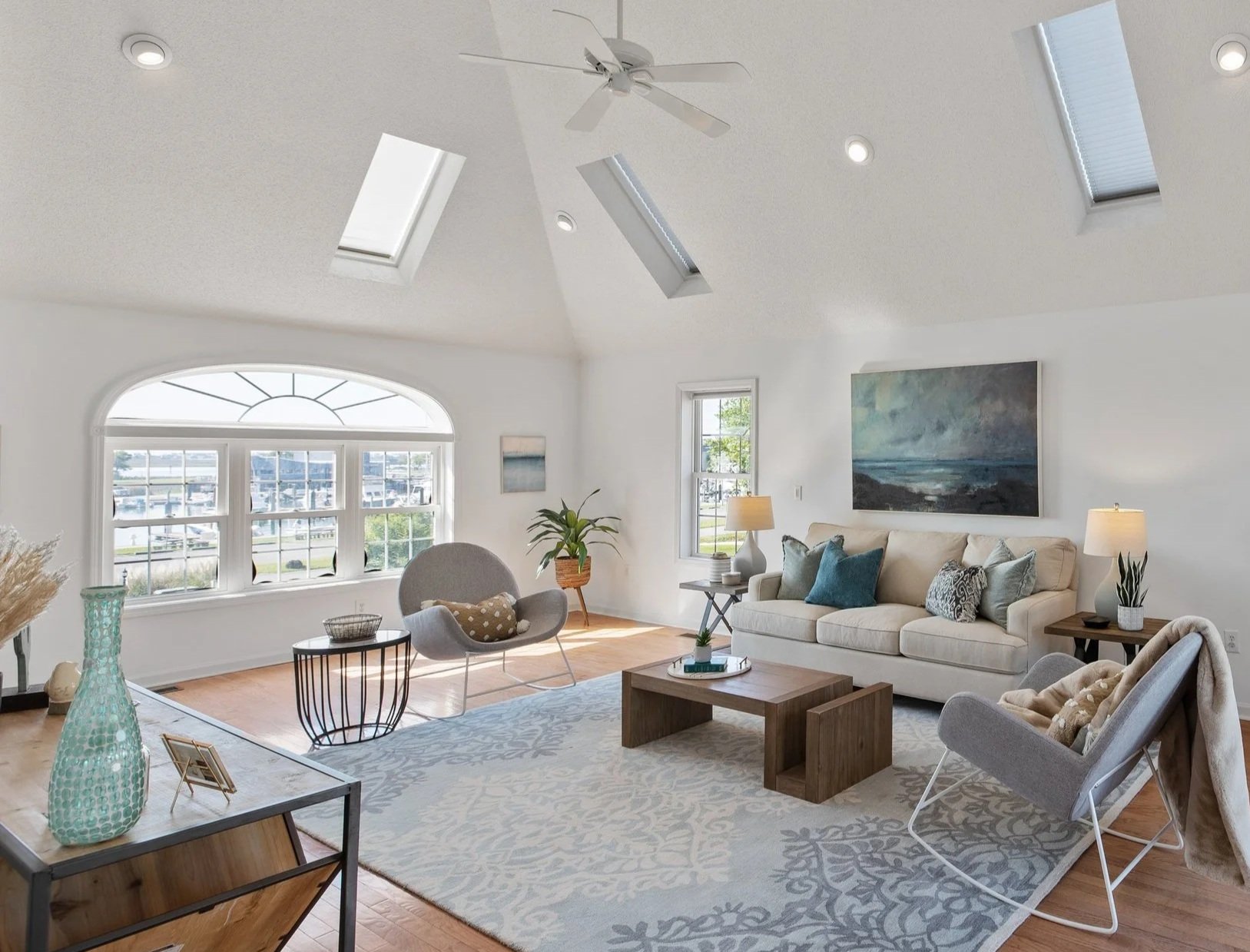
For coastal homes around Wilmington, NC, that might mean arranging seating to preserve a view or showing how an open living area can accommodate both dining and conversation. The most useful detail to emphasize is often already part of the property. Staging helps buyers notice it and understand its value.
How Furniture Placement Makes a Home Easier to Understand
Confusing rooms can leave buyers with doubts that follow them into the next showing.
An oversized living area may feel like wasted space when it is empty. A smaller bedroom may appear too tight because there is nothing to demonstrate what fits. An undefined area near the kitchen may read as an awkward gap.
Appropriately scaled furniture answers those questions visually. A rug establishes the boundaries of a seating area. A bed and nightstands provide a reference for bedroom size. A table gives an otherwise undefined space a clear purpose.
Once the layout makes sense, buyers can spend more of the showing considering how the home fits their lives. For more on creating that clarity in an open floor plan, read our tips on how to stage a large room.
How to Make Your Home Stand Out Without Overstyling
A memorable room needs a clear focus. Too many accessories, crowded furniture, or competing patterns can pull attention away from the features you want buyers to notice.
Start with what the property offers. If the windows are a selling point, keep them visible. If the living room has a fireplace, arrange seating so its relationship to the room is easy to understand. Leave enough space for buyers to walk through comfortably and see how the rooms connect.
Then use color, texture, lighting, and a few well-chosen accessories to bring the arrangement together. The goal is a home that feels inviting and complete, with enough breathing room for buyers to imagine their own belongings.
The distinction between furnishing a home for its owner and preparing it for sale matters here. Our interior design services address how a particular client wants to live; staging focuses on helping prospective buyers recognize the property's appeal.
Give Buyers a Home Worth Coming Back To
When buyers sit down to compare properties, you want them to be able to picture yours clearly: where they would gather, what they loved about the living room, and why the layout felt right.
That is the lingering effect worth creating. A home that remains easy to picture has something concrete to bring to the next conversation.
Preparing a home for sale in Wilmington, NC? Explore our vacant home staging services, then contact Mickler & Co. to discuss a staging plan for your property.
Warmly,
Christa



Not Local? No Problem!
Our Virtual Sellers Preparation Consultation helps you decide which updates are worth making, which projects you can skip, and how to prepare your home for sale without overspending.
See our Vacant Home Staging Portfolio
FAQ’s
Q: Does staging make buyers remember a home longer?
A: Staging can give buyers distinctive rooms and useful layouts to recall when comparing properties. A room with a clear purpose and an appealing focal point gives buyers something specific to describe afterward.
Q: Why stage a vacant home if buyers can see all the space?
A: Seeing empty floor space does not always explain how a room functions or what furniture will fit. Staging provides reference points for scale, layout, and everyday use.
Q: Does every room need to be staged?
A: The staging plan depends on the property and which spaces need to communicate its value. At Mickler & Co., our staging projects have a three-room minimum so the presentation feels connected across key areas.
Q: Can staging guarantee a faster sale?
A: Staging supports how a property is presented, but pricing, condition, location, and market conditions also affect the sale. A memorable showing gives buyers a clearer picture of the home while they weigh those factors.