

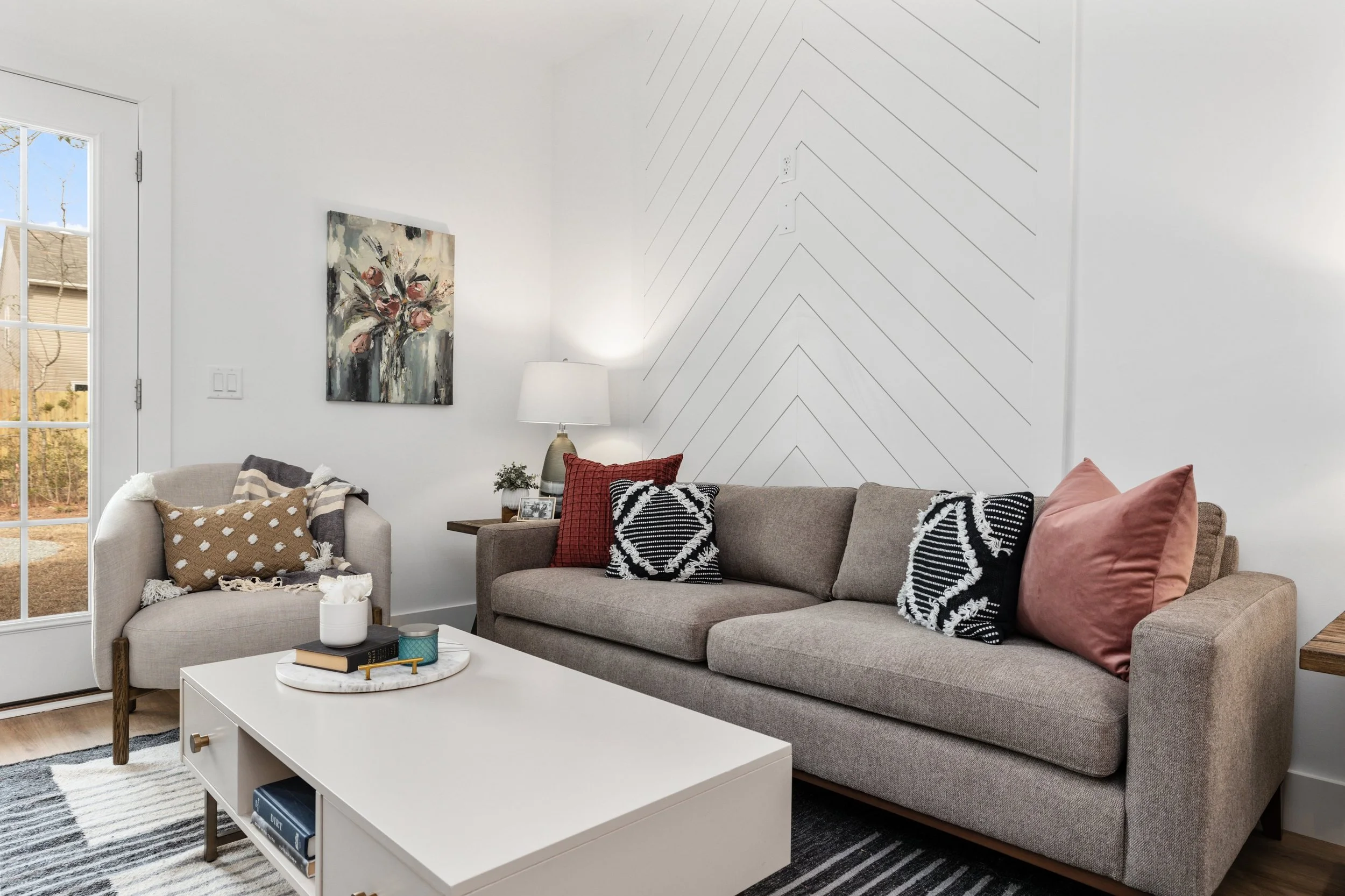
Whether you're getting ready to list your home, selling a coastal retreat, or preparing an investment property for the market, understanding the difference between home staging and interior design will help you make the right decisions for your property. While both services use thoughtful furniture placement, color, and styling to create beautiful spaces, home staging is designed to help your property appeal to the widest possible pool of buyers.
If you're preparing to sell, here's what you need to know about how home staging differs from interior design, why it matters, and how professional staging can help your home make a memorable first impression.
Home Staging Makes Your Property Appeal to Buyers
The biggest difference between home staging and interior design is the goal.
Home staging is about presenting a property in its best possible light to appeal to the widest appropriate pool of potential buyers. Rather than designing around one person's preferences, a home stager considers the property's features, its target buyer, and the lifestyle the home can offer.
This means creating spaces that feel welcoming, balanced, and easy to envision living in. Personal collections, distracting décor, and overly specific design choices may be edited out in favor of a more cohesive, broadly appealing look.
Interior design, on the other hand, is centered on the homeowner. It considers personal taste, daily routines, and the way someone wants their home to look and function over time.
Not sure which updates are worth the investment before you sell?
Download our free guide to learn the 7 updates that are usually worth making - and 5 projects that often aren’t.
Home Staging Highlights Space, Flow, and First Impressions
When preparing a home for sale, the way a room looks and feels can influence how buyers experience the property.
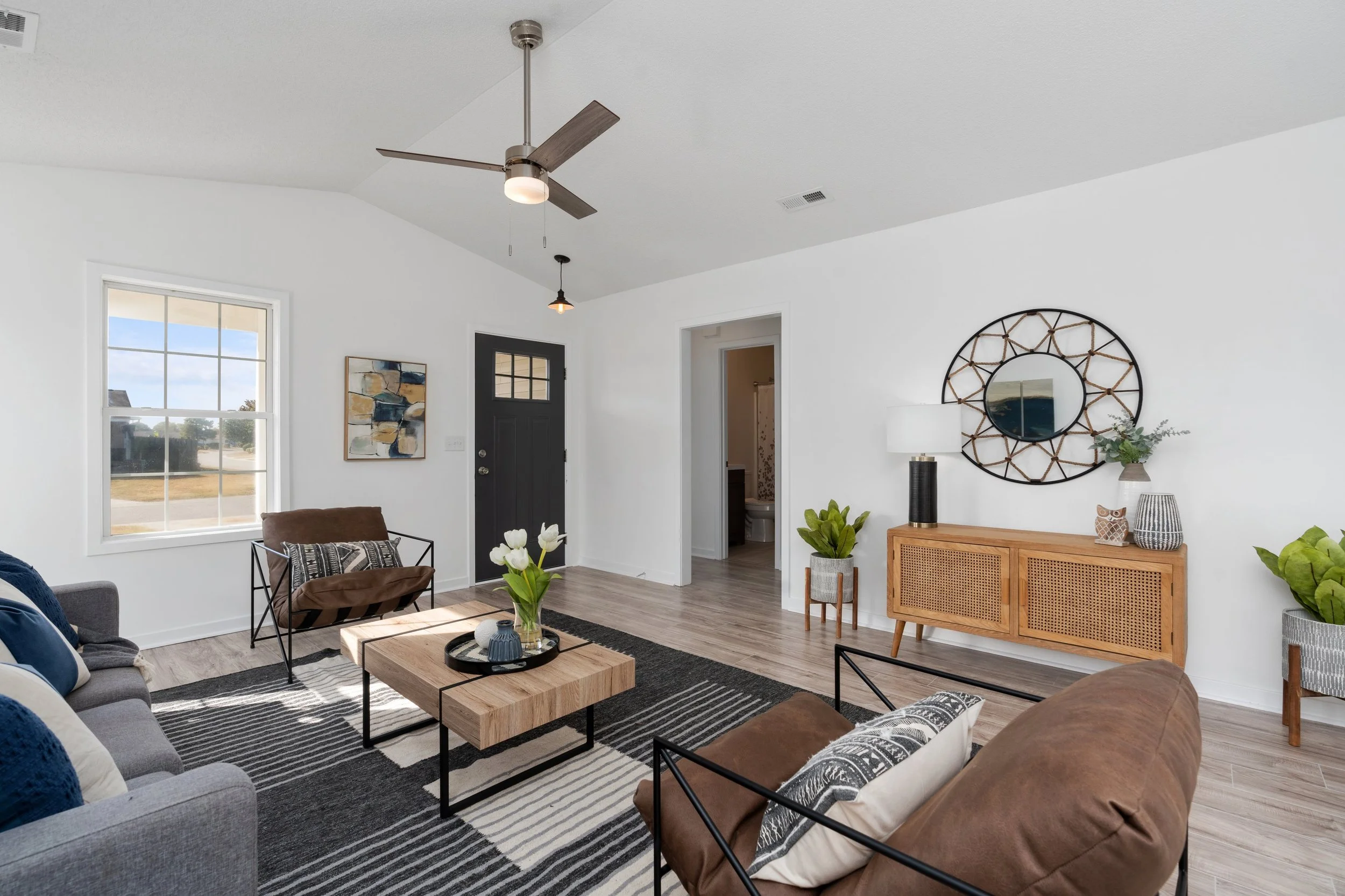
Professional home staging focuses on the details that make a space feel inviting and well-proportioned. Furniture placement, scale, lighting, and carefully selected accessories work together to highlight a home's best features while minimizing distractions.
A room that feels cramped or difficult to navigate may benefit from removing excess furniture or rearranging existing pieces. An empty room may need furnishings to help buyers understand its size and potential. A thoughtfully styled living room can establish a natural gathering space, while a well-staged bedroom can feel like a relaxing retreat.
Interior design also considers layout and function, but its priorities extend beyond the initial impression. The goal is to create a space that supports the homeowner's lifestyle, from everyday routines to entertaining and relaxing.
For home staging, every decision should serve a clear purpose: help buyers understand the space, appreciate its features, and connect with its potential.
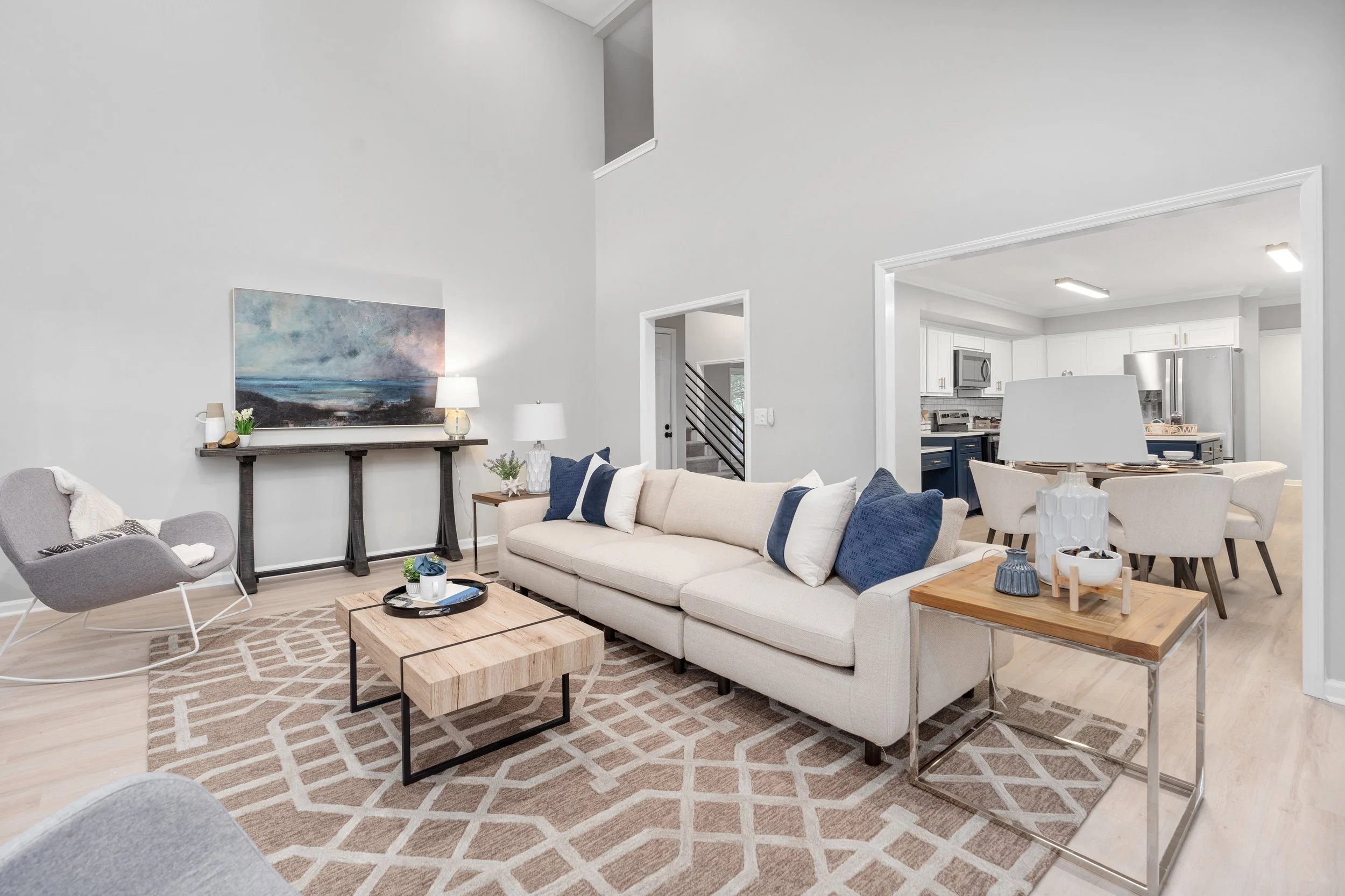
Home Staging Prepares Your Property for Listing Photos and Showings
Today's home search often begins online. Before a potential buyer ever walks through the front door, they've likely viewed photographs of the property.
That makes presentation especially important.
Home staging helps create a consistent, polished look that translates well in listing photos and in-person showings. Thoughtful furniture arrangements establish a sense of scale, while carefully chosen textiles, artwork, and accessories add warmth without overwhelming the space.
A well-staged home should feel inviting in person and photograph beautifully from a variety of angles.
Interior design projects typically have a different timeline and purpose. Furnishings, finishes, and decorative details are selected to create a lasting environment tailored to the people who live there. Home staging, by contrast, works toward a specific milestone: bringing a property to market in its strongest possible presentation.
For sellers, that distinction matters. The objective isn't to complete a personal home transformation. It's to make the property stand out when buyers are comparing listings.
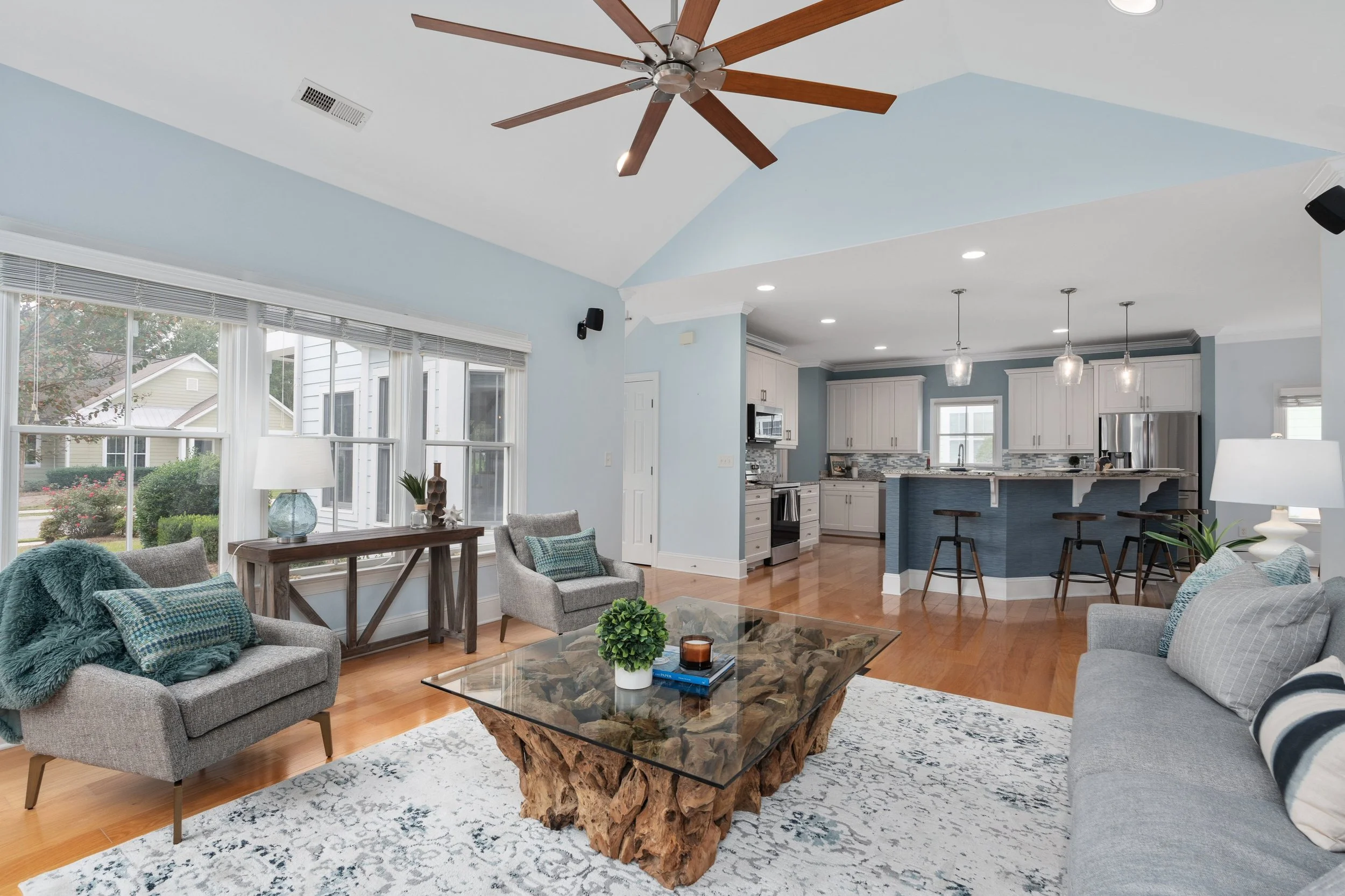
Home Staging Uses Strategic Furniture and Décor to Showcase Your Home
Home staging isn't simply decorating a home with attractive furniture. It's a strategic process that considers how each room will be perceived by a potential buyer.
The right furnishings can help define a room's purpose, establish comfortable proportions, and create a natural flow throughout the home. Accessories add warmth and visual interest, but too many personal or decorative items can distract from the property's features.
Professional staging selections often prioritize:
Appropriate scale: Furniture should complement the room rather than overwhelm it or make it feel empty.
Clear pathways: Buyers should be able to move easily through each space.
Purposeful styling: Every room should communicate its function without unnecessary clutter.
Broad buyer appeal: Neutral, cohesive choices help buyers focus on the property itself.
Architectural features: Furniture and décor should complement, rather than compete with, features such as windows, built-ins, and ceiling details.
These decisions are particularly valuable in coastal homes, where natural light, views, open layouts, and indoor-outdoor connections can be important selling features.
In Wilmington, NC, and throughout the surrounding coastal communities, thoughtful staging can help buyers appreciate not only the home itself but also the lifestyle it offers.
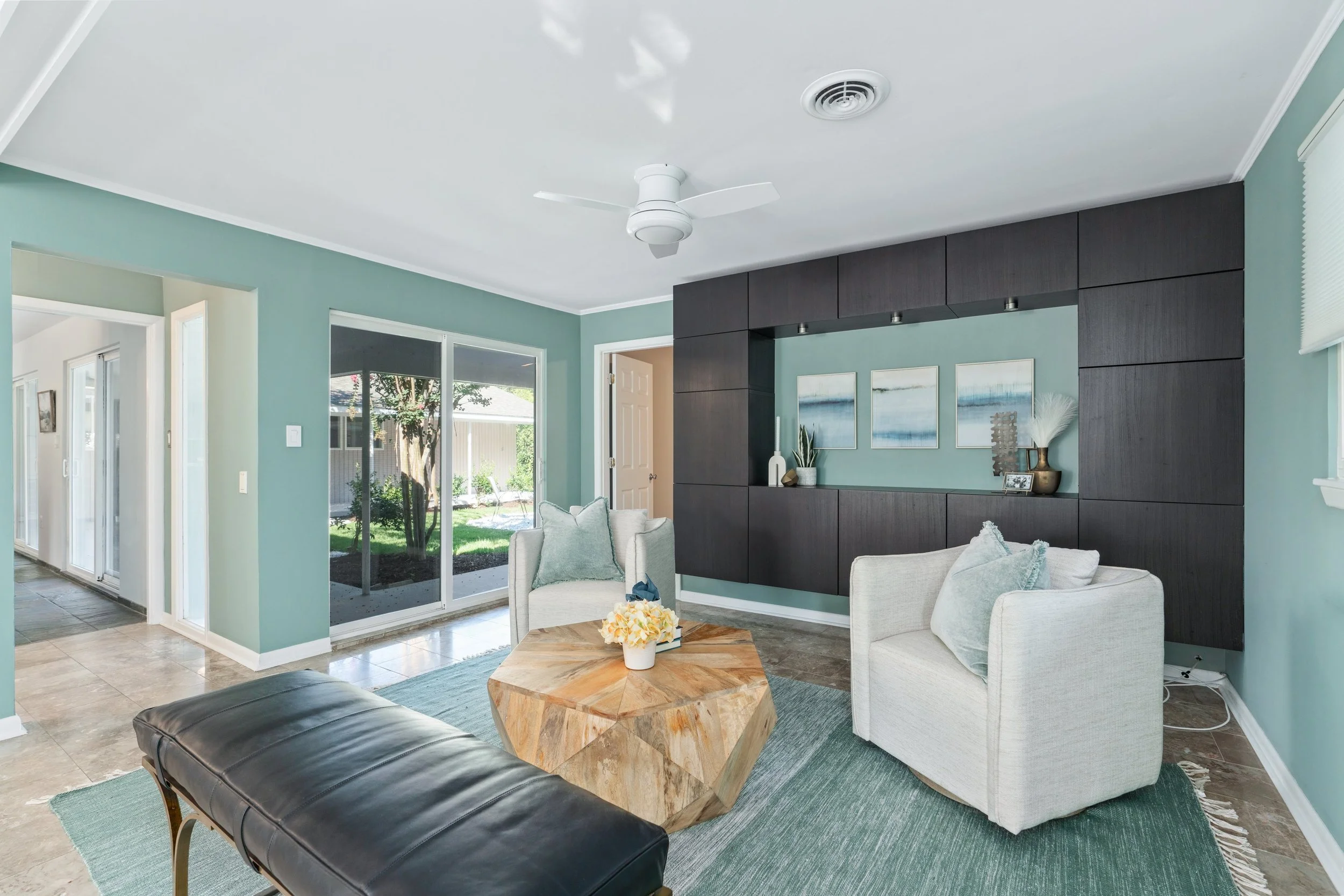
Ready to Prepare Your Home for Sale?
Home staging and interior design share many of the same design principles, but they serve different purposes. Interior design creates spaces that reflect the people who live in them. Home staging prepares a property to make its strongest impression on the people who may buy it.
When you're selling, every detail contributes to how buyers experience your home, from the first listing photo to the final walkthrough.
At Mickler & Co., our approach to home staging combines thoughtful furniture selection, purposeful styling, and an understanding of how buyers respond to a space. We help sellers showcase their property's best features and create an inviting presentation for the market.
Preparing to sell your home in Wilmington, NC, or the surrounding coastal communities?
Explore our home staging services and take the next step toward presenting your property with confidence.
Warmly,
Christa
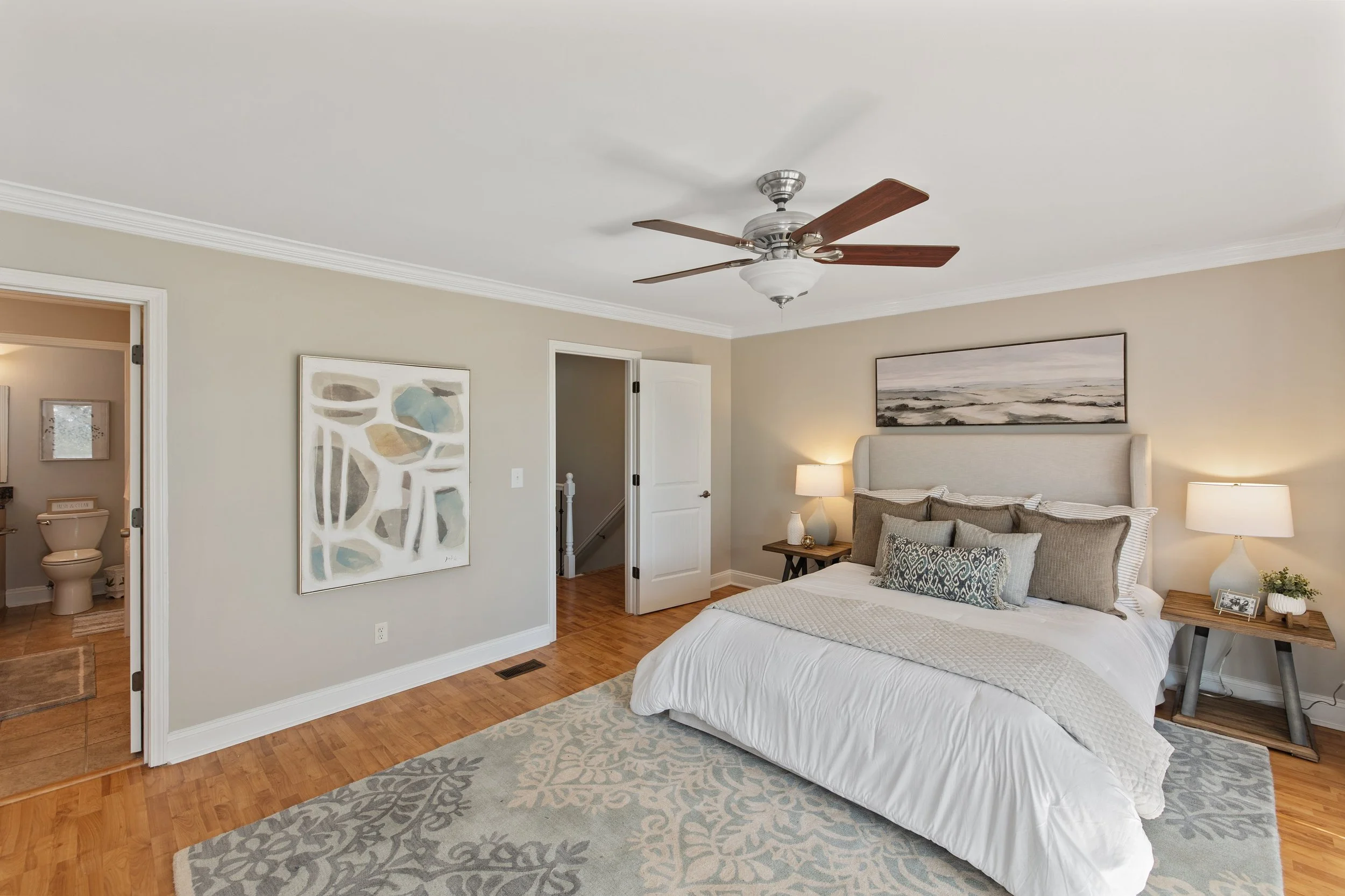
Not Local? No Problem!
Our Virtual Sellers Preparation Consultation helps you decide which updates are worth making, which projects you can skip, and how to prepare your home for sale without overspending.
See our Vacant Home Staging Portfolio
FAQ’s
Q: What is the main difference between home staging and interior design?
A: Home staging prepares a property for sale by highlighting its features and appealing to potential buyers. Interior design focuses on creating a personalized space that reflects the homeowner's taste, needs, and lifestyle.
Q: Is home staging worth it when selling a home?
A: Home staging can help a property make a stronger first impression, communicate how rooms can be used, and stand out in listing photos. The right approach depends on the property, its condition, and the expectations of the local market.
Q: Do I need to stage my home if it is already furnished?
A: Not necessarily, but existing furniture and décor may benefit from editing, rearranging, or restyling. A professional home stager can assess what works, what may distract buyers, and where adjustments could improve the overall presentation.
Q: Should I stage a vacant home before listing it?
A: Staging a vacant home can help buyers understand room dimensions, furniture placement, and how the space functions. It can also make listing photographs feel more inviting and give otherwise empty rooms a clear purpose.