

5 Reasons to Stage Your Vacant Listing in Wilmington, nc
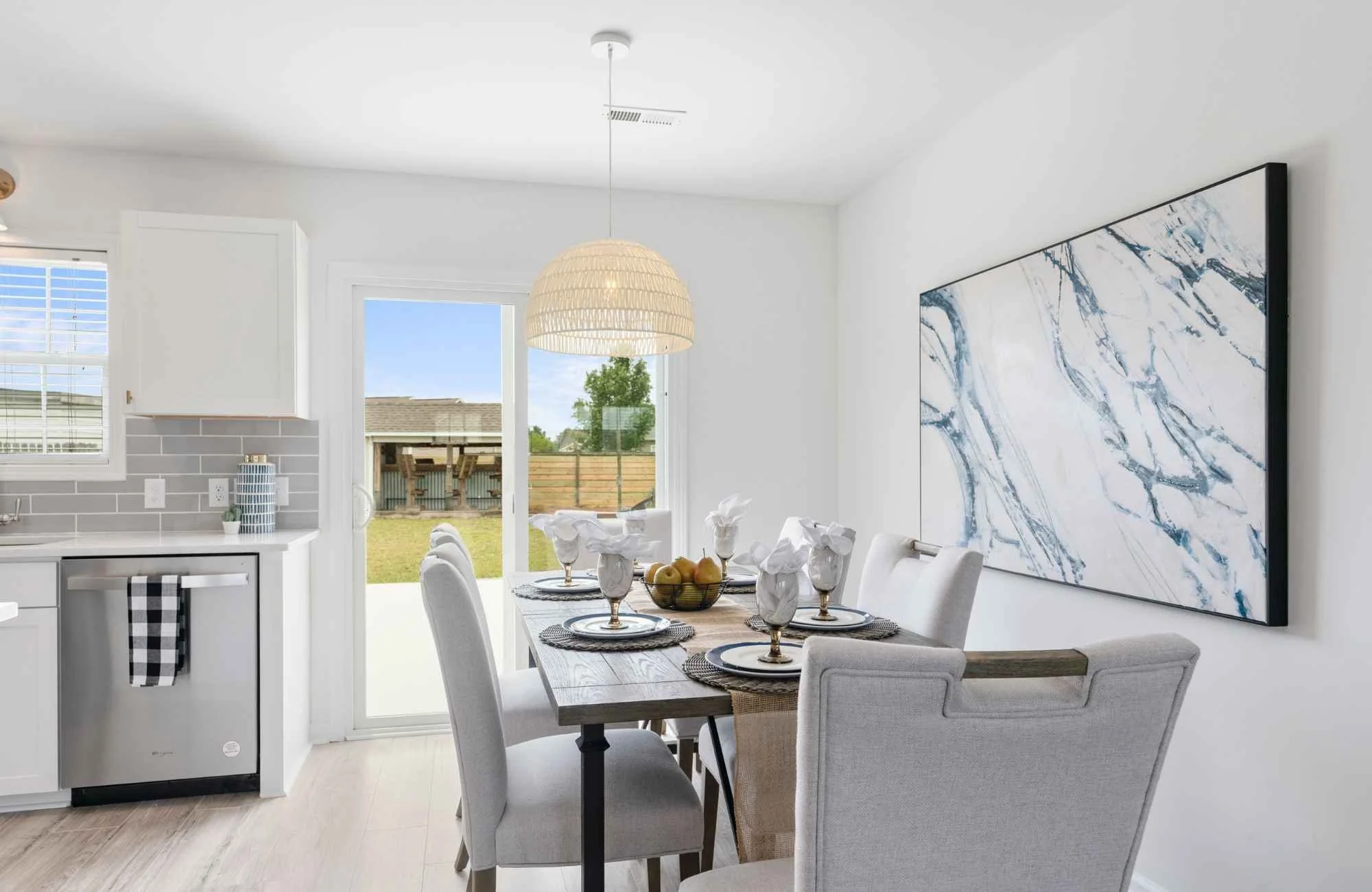
5 Reasons Why Home Staging Can Help Your Vacant Listing sell faster
Walking into a beautifully staged home feels very different from walking into an empty one. A staged property feels welcoming, comfortable, and easier to understand. Buyers can immediately see how the rooms function, where their furniture might fit, and what daily life in the home could look like.
A vacant home often has the opposite effect. Without furniture or styling, rooms may feel smaller, flaws become more noticeable, and buyers are left to figure out the purpose and scale of each space on their own.
Professional home staging helps remove that uncertainty. It gives buyers a clearer vision of the property, strengthens the home’s presentation in listing photos, and helps the house feel like a home rather than an empty building.
Here are five reasons staging can make a meaningful difference when selling a vacant home in Wilmington, NC.
Not sure which updates are worth the investment before you sell?
Download our free guide to learn the 7 updates that are usually worth making - and 5 projects that often aren’t.
Reason #1: Flaws Become the Focal Point
In a vacant home, there is very little to hold a buyer’s attention. Without furniture, artwork, rugs, or accessories, the eye naturally lands on whatever stands out most.
That may be an awkward corner, an older light fixture, a small crack, dated flooring, or a room with unusual proportions. Even minor imperfections can feel more significant when there is nothing else in the space to create balance or visual interest.
Professional staging does not hide problems that need to be addressed. Instead, it helps buyers see the home as a complete living environment rather than focusing exclusively on isolated details.
The right furnishings can highlight architectural features, guide the eye through the room, and create a stronger sense of balance. A thoughtfully placed seating arrangement may make a fireplace feel like the natural focal point. A properly sized rug can visually anchor a large open space. Artwork can draw attention upward and help a room feel finished.
When staging is done strategically, buyers are more likely to notice the home’s strengths first.
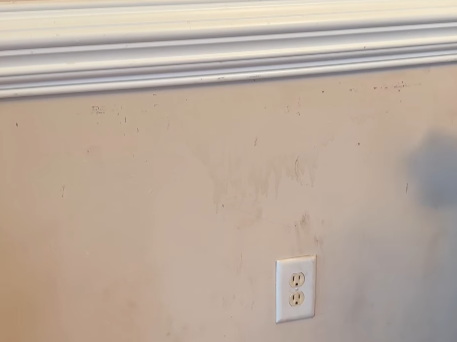
When buyers don’t have anything else to look at, even minor damage or disrepair can communicate the wrong message.
Staging helps buyers focus on what matters.
Reason #2: Vacant Homes Have a Harder Time Creating an Emotional Connection
Most buyers are not simply comparing square footage, bedroom counts, and finishes. They are also responding emotionally to how a home makes them feel.
An empty property can feel cold, unfinished, or impersonal. Even when the home is clean and in good condition, buyers may struggle to picture themselves living there because there are no visual cues to help them make that connection.
Home staging creates those cues.
A dining table suggests family dinners and entertaining. A comfortable living room arrangement helps buyers imagine relaxing at the end of the day. A styled bedroom feels restful and private. A finished home office shows how an extra room could support the buyer’s lifestyle.
This does not mean staging should be overly personal or decorated according to one specific taste. Effective home staging is broad enough to appeal to the likely buyer while still giving the property warmth, purpose, and personality.
In Wilmington and the surrounding coastal communities, buyers may be relocating, purchasing a second home, or searching for a property that supports a more relaxed lifestyle. Staging can help communicate that experience before they ever move in.
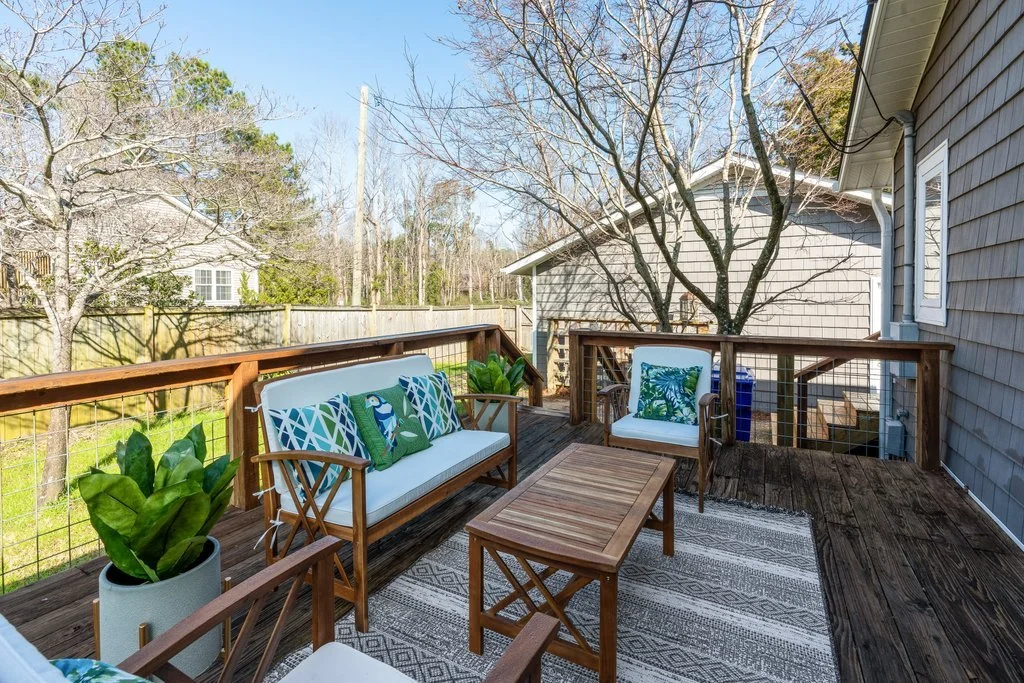
Reason #3: Empty Rooms Often Feel Smaller
Many sellers assume an empty room will appear larger because there is no furniture taking up space. In practice, the opposite often happens.
Without furniture, buyers have no clear reference point for scale. They may not know whether a king-size bed will fit in the primary bedroom, whether the living room can accommodate enough seating, or whether there is room for a dining table in an open kitchen.
This can make perfectly functional rooms feel smaller or more difficult to use than they really are.
Furniture provides a visual measuring tool. It shows buyers how much can comfortably fit in the room while still allowing for natural walkways and circulation.
The key is using pieces that are appropriately scaled. Furniture that is too large can overwhelm a room, while pieces that are too small can make the space feel awkward or underwhelming. Professional home staging considers the room’s dimensions, ceiling height, architectural features, traffic flow, and intended function before furnishings are selected.
The goal is not to fill every inch. It is to use enough furniture to demonstrate scale while allowing the room to feel open and comfortable.

Reason #4: Unstaged Rooms May Lack a Clear Purpose
Every room needs to answer a basic question for the buyer: What would I do in this space?
That answer is not always obvious in a vacant property.
An open area near the kitchen could be interpreted as a dining room, sitting area, or unused pass-through. A small bedroom may feel too limited until it is shown as a home office or guest room. A large bonus room can feel overwhelming when buyers are left to determine how it should be arranged.
When buyers cannot understand a room’s purpose, they may view the space as unnecessary, awkward, or difficult to furnish.
Staging gives each room a clear function. It can also help distinguish separate zones within an open-concept floor plan. A rug and seating arrangement may define the living room, while a dining table establishes the adjacent eating area. The result feels intentional rather than unfinished.
This is especially important in homes with unusual layouts, open spaces, smaller rooms, or architectural features that may be difficult to understand without furniture.
Rather than asking buyers to solve the floor plan themselves, staging shows them one effective way the home can work.

Before

After
Reason #5: Vacant Listings Can Undervalue the Home’s Potential
Buyers often make quick assumptions based on presentation. A vacant home may appear less polished, less welcoming, or less valuable than a comparable staged property, even when the homes are similar in size and condition.
Empty spaces can also make buyers more aware that the seller has already moved out. In some cases, this may lead them to assume the seller is highly motivated or more likely to accept a lower offer.
Staging helps reposition the property as a complete, desirable home. It creates a more elevated presentation and allows buyers to experience the property closer to its full potential.
This matters both online and in person.
Most buyers first encounter a listing through photographs. Empty rooms often photograph poorly because there is little depth, contrast, or context. The images may feel repetitive, and buyers may have difficulty understanding the size or purpose of each room.
Staged photographs are generally easier to interpret. Furnishings provide scale, create visual interest, and help each room look distinct. Strong listing photos can encourage more buyers to pause, click through the full listing, and schedule a showing.
Once buyers arrive at the property, the staging continues to support that first impression. Instead of walking through a series of empty rooms, they experience a home that feels cohesive, comfortable, and ready to live in.
What Professional Vacant Home Staging Includes
Vacant home staging involves much more than bringing in a sofa and a few accessories.
The process begins by evaluating the property, identifying the rooms that will have the greatest impact, and determining how the home should be positioned for the likely buyer.
Furniture, rugs, lighting, artwork, and accessories are then selected based on the home’s size, style, architecture, and price point. Each room is planned to improve flow, demonstrate scale, and help buyers understand how the space can function.
Professional staging may include:
Selecting the most important rooms to stage
Creating appropriately scaled furniture arrangements
Defining open-concept spaces
Highlighting the home’s strongest features
Minimizing attention on less desirable elements
Coordinating furniture, artwork, rugs, and accessories
Installing and styling the home before photography and showings
The goal is not to decorate the property according to current trends. It is to create a strategic presentation that helps the home connect with buyers.
Is Every Vacant Home a Good Candidate for Staging?
Not every property requires the same level of staging, but many vacant homes benefit from at least staging the primary living spaces. Our staging packages includes the living room, a dining space, primary bed and bath and the kitchen.
Staging can be especially valuable when the home has:
An unusual or open floor plan
Rooms that feel small when empty
Dated finishes that need to be balanced
A higher price point where buyers expect a polished presentation
A large living area that needs clearly defined zones
A bedroom or bonus room with an unclear function
Strong competition from nearby listings
Difficulty generating interest while vacant
The most important spaces are typically the living room, dining area, kitchen, primary bedroom, and any room that may be difficult for buyers to understand.
The right staging plan depends on the property, its likely buyer, and how the home compares with the surrounding market.
Help Buyers See the Home, Not Just the Empty Rooms
Vacant homes ask buyers to do more of the work.
They must estimate furniture scale, determine how rooms function, overlook distractions, and imagine the warmth and personality that are not yet visible. Some buyers can do that easily, but many cannot.
Professional home staging removes much of that uncertainty. It helps buyers understand the layout, recognize the home’s potential, and form a stronger emotional connection with the property.
For more staging advice, read Avoid These 5 Common Home Staging Mistakes.
Selling a Vacant Home in the Wilmington Area?
Mickler & Co. provides strategic vacant home staging in Wilmington, Hampstead, Leland, and surrounding coastal communities. Our staging is designed to improve the home’s presentation, strengthen listing photography, and help buyers experience the property at its best.
Submit a Contact Form to tell us more about your property to get started!
Selling Outside Our Local Service Area?
You can still benefit from our staging expertise. Our 60-minute virtual Seller Preparation Consultation is available to homeowners throughout the United States.
During the consultation, we will review photos of your home, discuss your selling goals, and provide a personalized preparation plan with recommendations tailored to your property. This may include guidance on updates, furniture placement, decluttering, room presentation, and the finishing touches that can make the greatest impact before your home is listed.
Schedule a virtual Seller Preparation Consultation and prepare your home for the market with a clear, personalized plan.
Warmly,
Christa
