

The Furniture Footprint Effect: How Furniture Affects Room Size
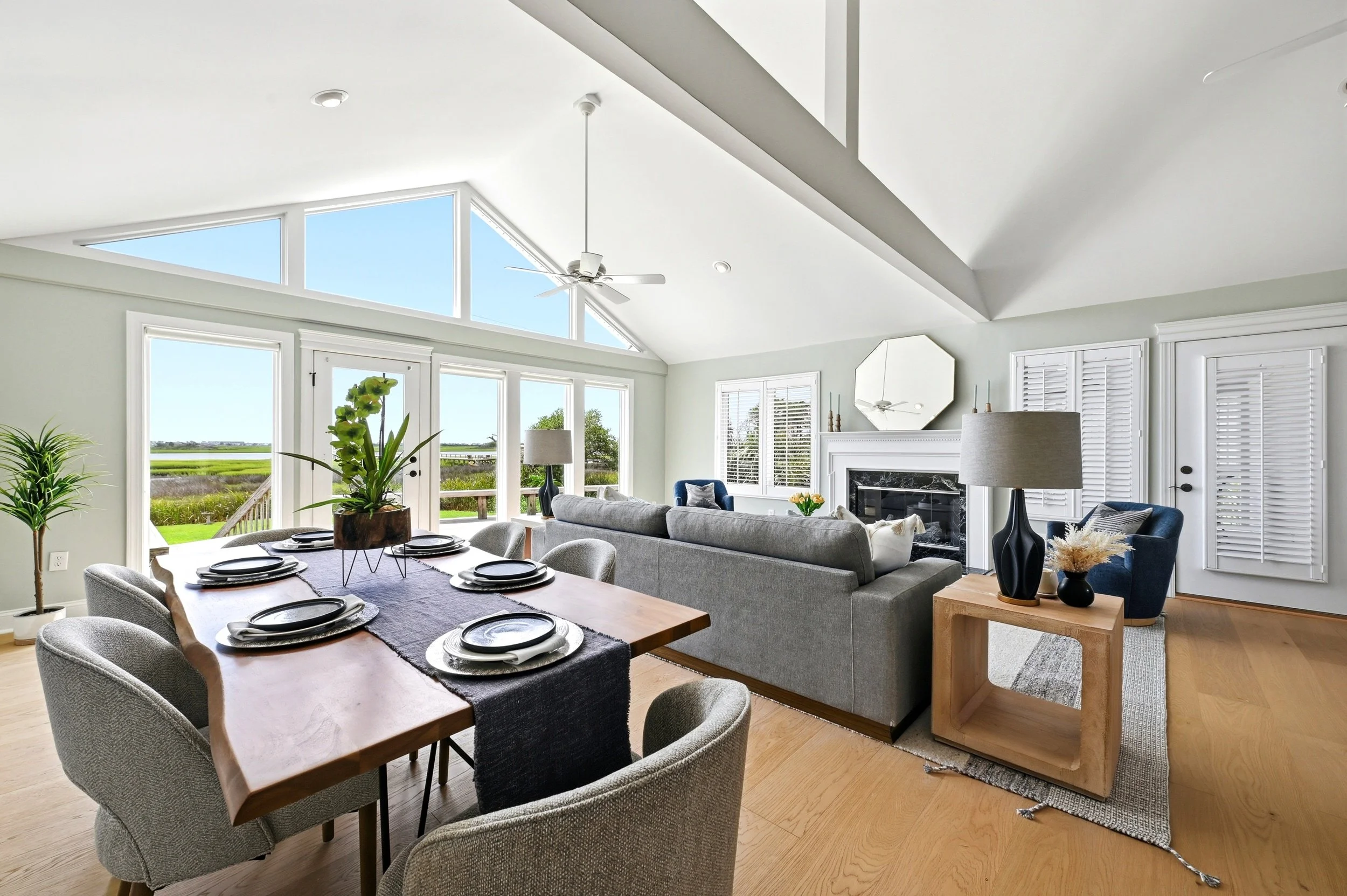
A space can check all the boxes for potential buyers but if it is furnished incorrectly, buyers may perceive it as cramped, awkward, or smaller than it actually is.
That is especially important when selling a vacant property. Without visual reference points, buyers can struggle to understand how furniture will fit, how much usable space they actually have, or how the room is meant to function.
Professional home staging solves that problem by using carefully selected furniture, intentional furniture placement, and the right furniture scale to create a sense of proportion and flow.
For sellers, the goal isn't simply to make a house look pretty. It's to help buyers immediately understand the space and see themselves living in it.
Why Furniture Changes Room Size Perception
Buyers don't experience square footage as a number. They experience it visually.
When someone walks into a room, their perception of size is influenced by how much floor space is visible, ceiling height, the scale and amount of furniture in the room, how that furniture is arranged, and how easily they can move through the space.
That means two rooms with identical dimensions can feel completely different depending on how they are furnished.
A professional stager considers all of these visual cues when selecting pieces for a property.
Not sure which updates are worth the investment before you sell?
Download our free guide to learn the 7 updates that are usually worth making - and 5 projects that often aren’t.
How Furniture Scale Affects Room Size
Furniture scale is one of the most important tools a professional stager uses to influence how buyers experience a home.
The furniture should be appropriately scaled to the room and positioned in a way that preserves important sightlines and walking paths.
For example, a large sectional may technically fit in a living room, but if it consumes most of the visible floor area, buyers may focus on how little space remains rather than on the room's actual dimensions.
On the other hand, a thoughtfully scaled sofa, appropriately sized chairs, and a properly proportioned coffee table can establish the room's function while leaving enough open space for the eye to travel.
This is where professional staging makes a difference.
Rather than simply filling a room with attractive pieces, professional stagers evaluate how every item contributes to the overall perception of space
How Furniture Placement Makes Rooms Feel Larger
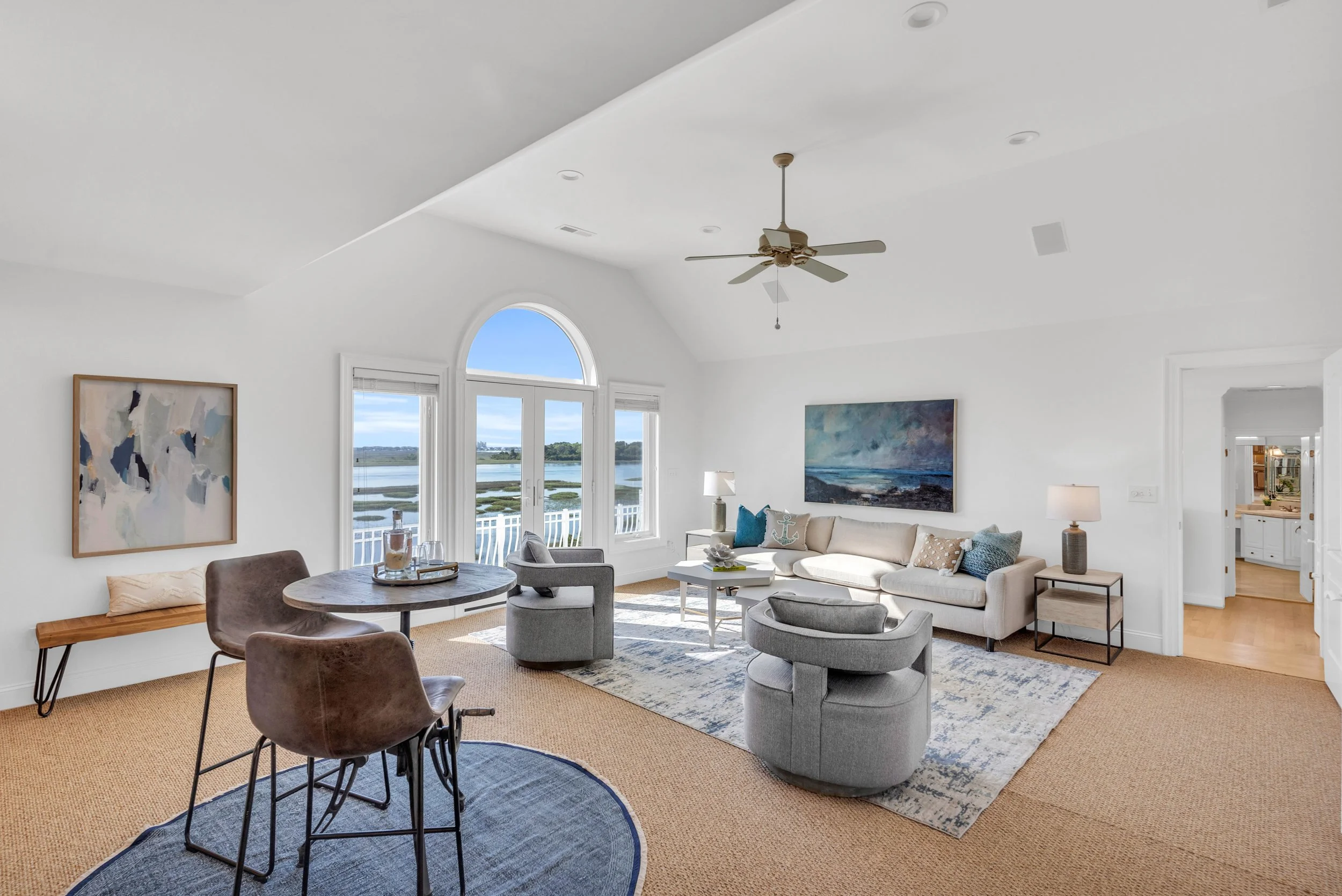
When staging a home for sale, furniture should support the natural flow of the room rather than block it. Stagers look at entrances, windows, architectural features, focal points, and the pathways buyers are likely to follow during a showing.
Strategic placement can:
Create clear walking paths
Highlight the usable floor area
Draw attention toward windows and natural light
Establish a clear purpose for each room
Define separate areas in open-concept spaces
Keep architectural features visible
Make awkward layouts easier to understand
The key is that buyers shouldn't have to figure out how a room works.
When furniture is placed correctly, the room communicates its function almost immediately.
That can be particularly valuable in coastal and beach homes, where open layouts and bright, airy interiors are often important selling features.
Why Vacant Home Staging Can Help Buyers Understand Space
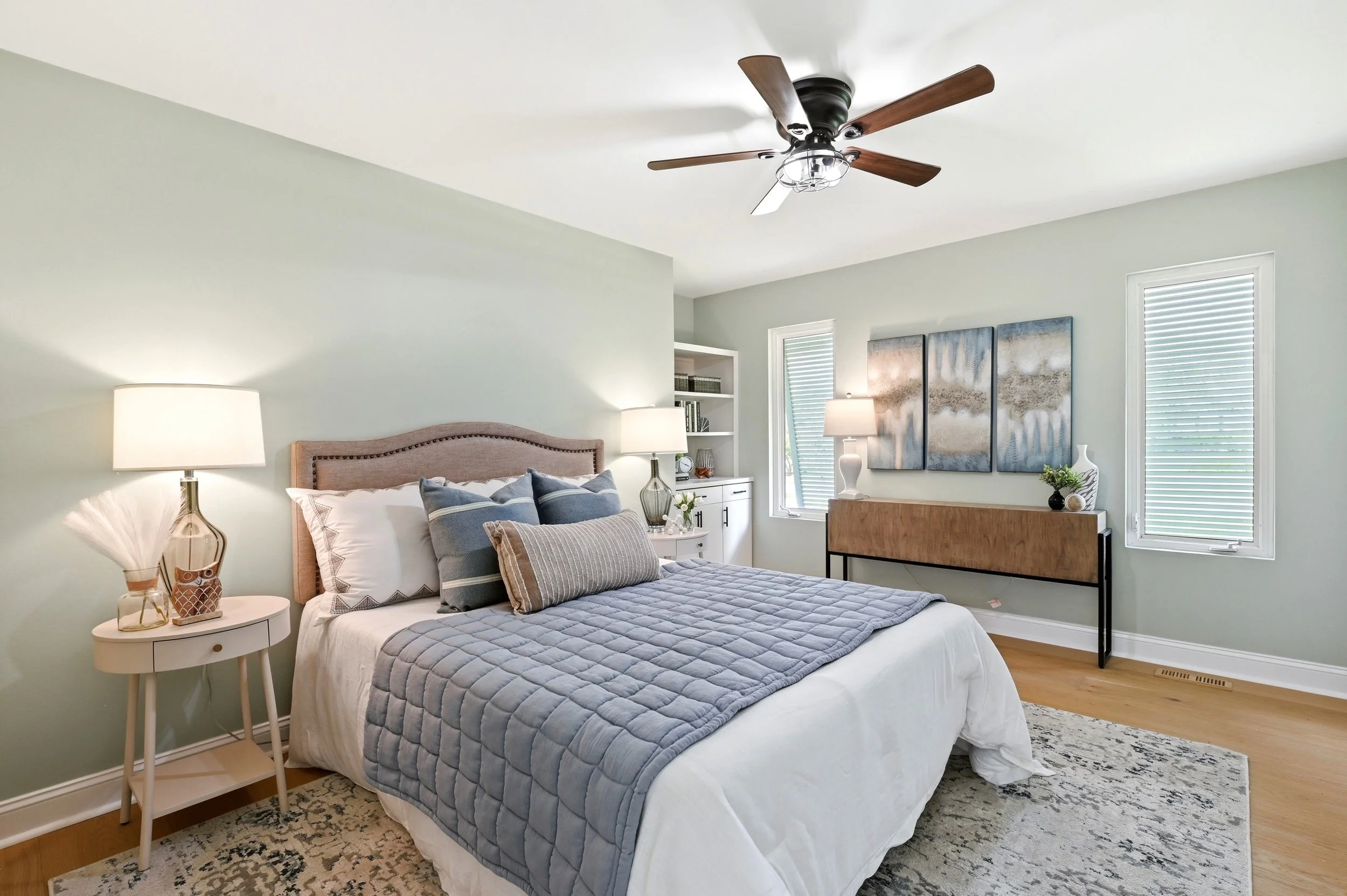
An empty room may look large in photographs, but it can also look flat, undefined, and difficult to visualize. Buyers may not know whether a king-size bed fits comfortably, whether a living room can accommodate seating for guests, or how an unusually shaped space should be used.
Staging a vacant home gives buyers visual context.
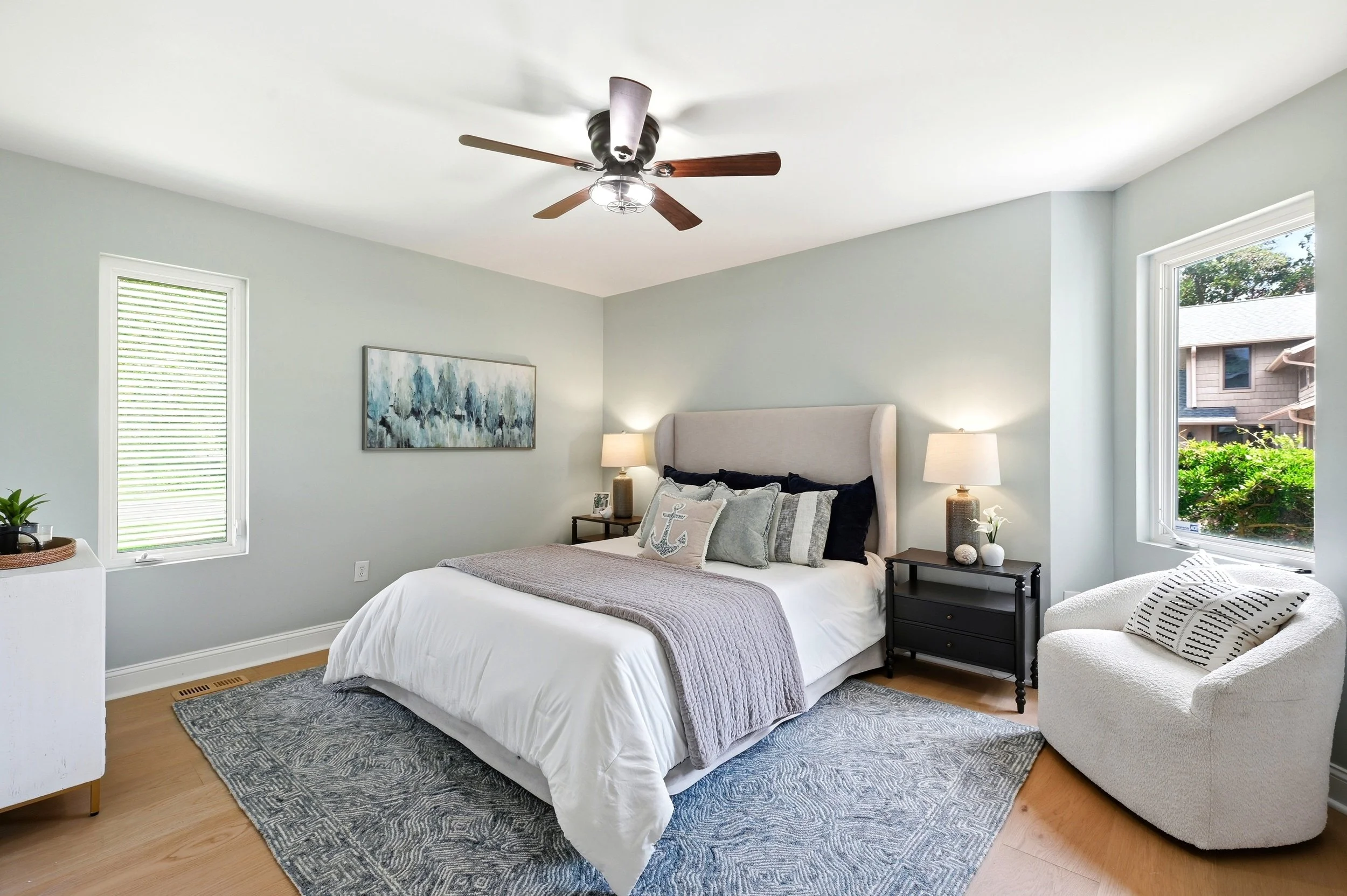
A professionally staged room provides a reference point for scale. A bed demonstrates the usable dimensions of a bedroom. A sofa and chairs show the potential of a living room. Dining furniture illustrates how much space is available around the table.
Instead of asking buyers to imagine what could fit, staging allows them to see it.
And when buyers can easily understand a room, they're more likely to recognize its value.
Sell the Space, Not Just the Square Footage
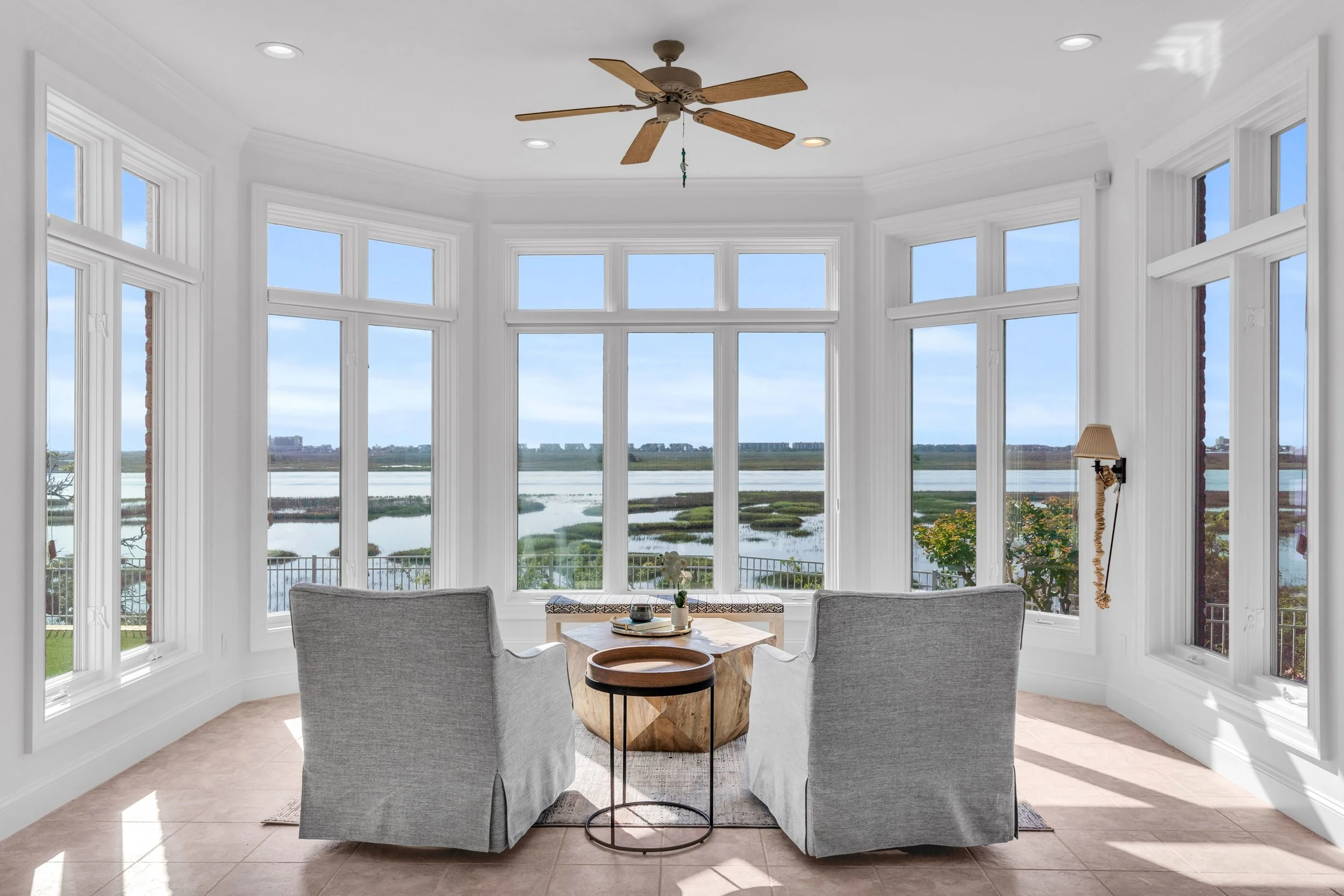
A professional stager brings an objective perspective, selecting furniture based on the home's layout, proportions, architecture, and target buyer rather than personal preferences. This is especially valuable for vacant properties, where thoughtfully chosen furniture can define rooms, demonstrate functionality, and help buyers understand how each space can be used.
The right furniture scale and placement can make rooms feel more spacious, functional, and inviting. Instead of asking buyers to imagine what an empty room could become, staging gives them a clear starting point and helps them recognize the property's potential.
For sellers in Wilmington, NC, this can be particularly impactful for coastal homes, beach properties, investment properties, and open-concept homes where flow and room proportions play an important role in the buyer experience.
Ready to show buyers what your home can be? Mickler & Co. creates strategic staging plans designed around your property's unique layout, architecture, and target buyer-helping your home photograph beautifully, communicate its potential, and make a stronger first impression.
Contact us today to learn more about our services and find what’s right for you!
Warmly,
Christa
For more tips, read Behind The Scenes: How We Select Furniture and Accessories When Staging Your Home