

Should You Stage a Rental Property Before Listing It for Tenants?
Many landlords and real estate investors assume rental property staging isn't necessary. They repaint the walls, make a few repairs, give the home a good cleaning, and take listing photos, expecting the property to rent quickly.
And in Wilmington, NC, historically, that has been true. Then came what felt like an explosion of new apartment communities, complete with resort-style pools, fitness centers, walking trails, coworking spaces, and clubhouses. If you've lived in Wilmington for any length of time, you've watched them pop up everywhere. Suddenly, many older single-family rentals that once leased within days are sitting vacant for weeks—sometimes even months.
So what's a landlord to do?
In a more competitive rental market, every additional week of vacancy gets expensive. While your property sits empty, you're still paying the mortgage, insurance, utilities, lawn maintenance, and other carrying costs—all without rental income coming in.
The goal of rental property staging isn't to decorate a home or make it look expensive. It's to help prospective tenants immediately understand the space, see how the rooms function, and picture themselves living there. Better presentation also leads to stronger listing photos, which often means more showings, more qualified applicants, and a faster lease.
At Mickler & Co., we use many of the same proven principles we rely on when staging a home for sale. The difference is the strategy. Instead of creating an emotional connection for buyers, we're helping renters quickly recognize a home that feels clean, functional, and move-in ready. In today's digital-first rental market, your listing photos often determine whether someone schedules a showing at all. If your property doesn't stand out online, it may never get the chance to make a great first impression in person.
For example, if a rental home leases for $1,800 per month but remains vacant for three additional weeks, you've lost approximately $1,350 in rental income before factoring in utilities, maintenance, and other ongoing expenses. A relatively small investment in vacant home staging or preparing the property for professional listing photography can often pay for itself by reducing vacancy and helping the home lease more quickly.
While home staging for sale and rental property staging share many of the same principles, they serve very different purposes. Understanding those differences can help you invest your time and money where it will have the greatest return.
Whether you own a single rental property or a growing investment portfolio in Wilmington, understanding when staging makes sense—and when it doesn't—can help you reduce vacancy, attract qualified tenants faster, and maximize your return on investment.

What Is the Difference Between Staging a Home for Sale and Staging a Rental Property?
At first glance, staging a home for sale and staging a rental property look very similar. In fact, we use many of the same furnishings, accessories, and design principles for both. The goal is always to create a home that photographs beautifully, feels well cared for, and appeals to the widest range of potential buyers or tenants.
The biggest difference isn't the staging itself—it's understanding who you're trying to attract.
Homebuyers are making one of the biggest financial decisions of their lives. Renters are making a practical decision. They're asking themselves one simple question:
Can I picture my life here?
Many Wilmington rentals appeal to young professionals, college and graduate students, roommates, and young families. Before they ever schedule a showing, they're trying to determine whether the home will actually work for the way they live.
They're asking questions like:
Will my furniture fit?
Is the living room big enough for everyone to hang out?
Is there a spare room or space for or a desk if I work from home?
Is there enough storage for beach gear, bikes, holiday decorations, or extra belongings?
Is there enough parking for roommates or guests?
Is there a porch, patio, or garage where I can keep bikes, plants, or outdoor gear?
A well-staged rental property answers those questions without saying a word.
Not sure which updates are worth the investment before you sell?
Download our free guide to learn the 7 updates that are usually worth making - and 5 projects that often aren’t.

Help Renters Understand the Space
One of the biggest challenges with a vacant rental is that empty rooms can be difficult to judge. Without furniture, it's hard for prospective tenants to know whether their sectional will fit, if there's room for a dining table, or whether the second bedroom could function as a home office or guest room.
Thoughtful furniture placement helps define each space and removes uncertainty. The goal isn't to decorate the home—it's to help prospective tenants quickly understand how they'll live in it.
Great Listing Photos Matter
Whether you're selling a home or marketing a rental property, your listing photos are often your first—and sometimes only—chance to make a good impression.
Professional photography paired with thoughtful staging helps your property stand out online, generates more qualified inquiries, and encourages prospective tenants to schedule a showing. If your photos don't stop someone from scrolling, they may never see everything the home has to offer.
Rental Property Staging Is a Long-Term Investment
One of the biggest advantages of staging a rental property is that it's often a one-time investment. Once the home has been professionally staged and photographed, those images can typically be reused every time the property becomes vacant.
Unless you've completed a major renovation, dramatically changed the paint colors, or made significant updates to the home, there's usually no reason to schedule another staging session or professional photo shoot. As long as the property has been well maintained, those same listing photos can continue working for you for years.
Instead of paying to stage and photograph the property with every tenant turnover, you're investing in professional marketing assets that can be used again and again. Over time, the cost of staging is spread across multiple lease cycles, making it one of the most cost-effective ways to market your rental property.

Vacancy Is More Expensive Than Most Investors Realize
A vacant rental property doesn’t just sit quietly in the background. Every week it remains empty, you’re losing rental income while still paying the ongoing expenses that come with owning the property.
That’s why first impressions matter. Most prospective tenants will see your listing photos before they ever schedule a showing. If the rooms look dark, empty, awkward, or smaller than they really are, your property may be passed over before anyone sees it in person.
A vacant rental can also make it harder for tenants to understand how the home lives. Empty rooms often feel smaller, colder, and less inviting. Without furniture, it can be difficult to tell where a sofa would go, whether a bedroom can comfortably fit a queen bed, or how an awkward flex space could be used.
Rental property staging helps solve that problem.
The goal isn’t to furnish every room or create a full for-sale staging installation. In most rental properties, the highest-return improvements are the ones that make the home feel clean, functional, and easy to move into.
That usually means focusing on:
The living room, so tenants can understand seating arrangements and traffic flow.
The primary bedroom, so they can see the scale of the room and how standard furniture fits.
The kitchen and bathrooms, because these spaces often have the biggest influence on a renter's perception of how well the home has been maintained.
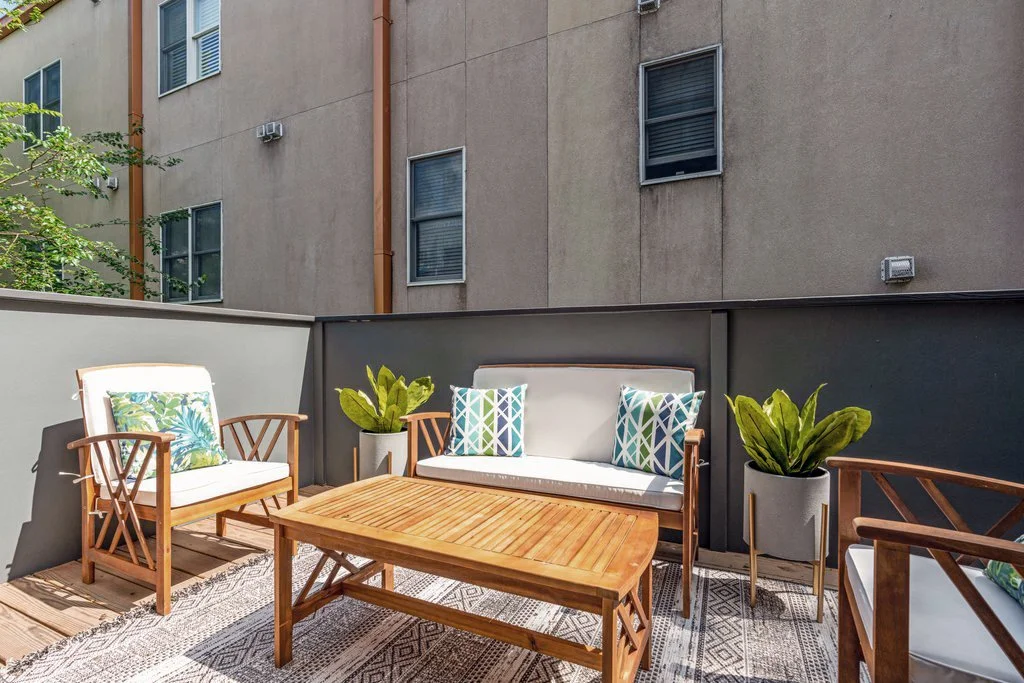
Flex spaces, dining areas, porches, and patios, helping prospective tenants visualize how they'll actually use the home.
Lighting, because dark listing photos can make even a beautiful property feel dated or uninviting.
Curb appeal and the front entry, because first impressions begin before a tenant ever walks through the front door.
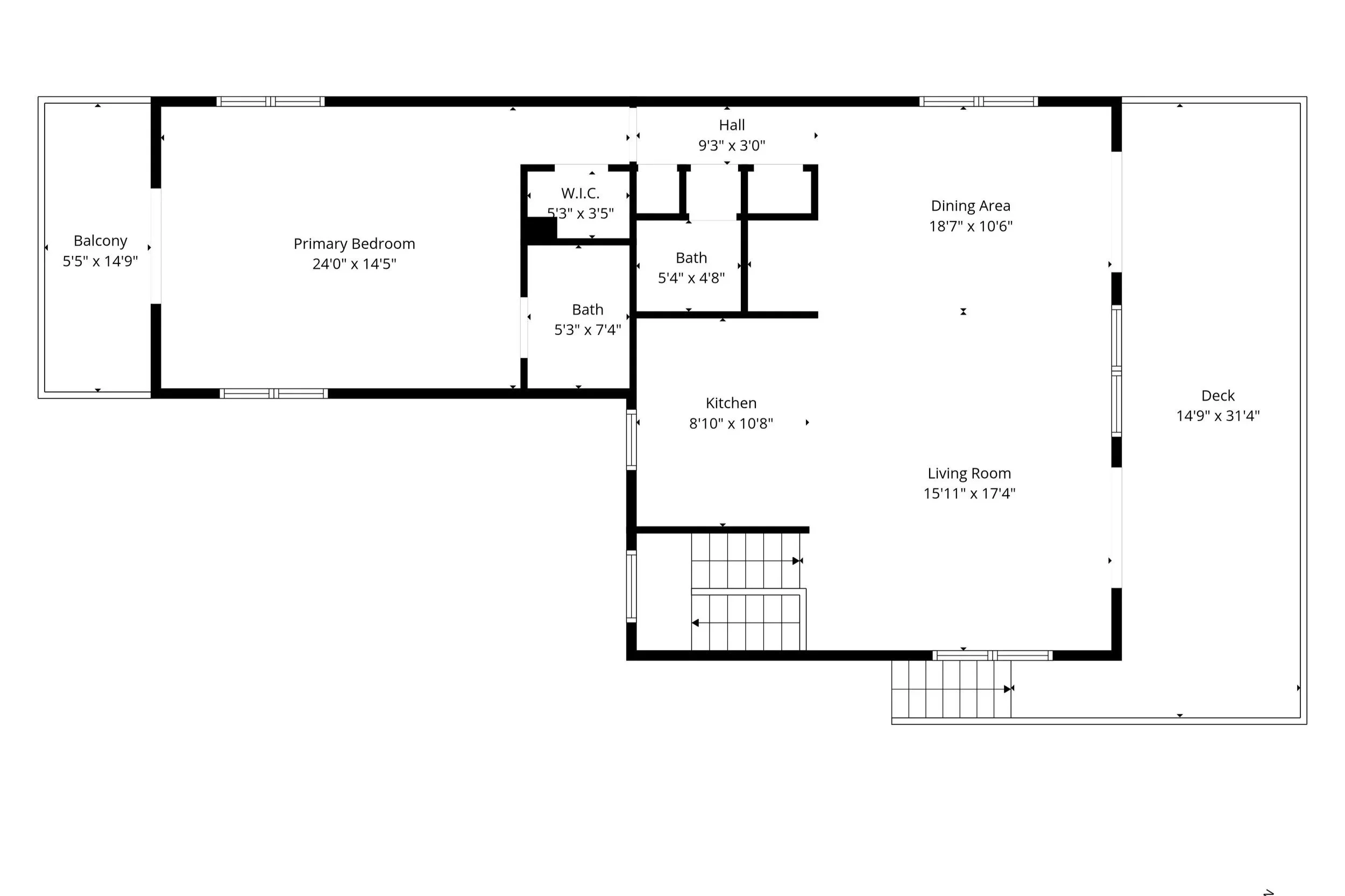
A floor plan, which helps prospective tenants understand the layout, room dimensions, storage options, and how the spaces connect. Many professional real estate photography packages include a floor plan, making it an affordable addition that can answer questions before a showing is even scheduled.
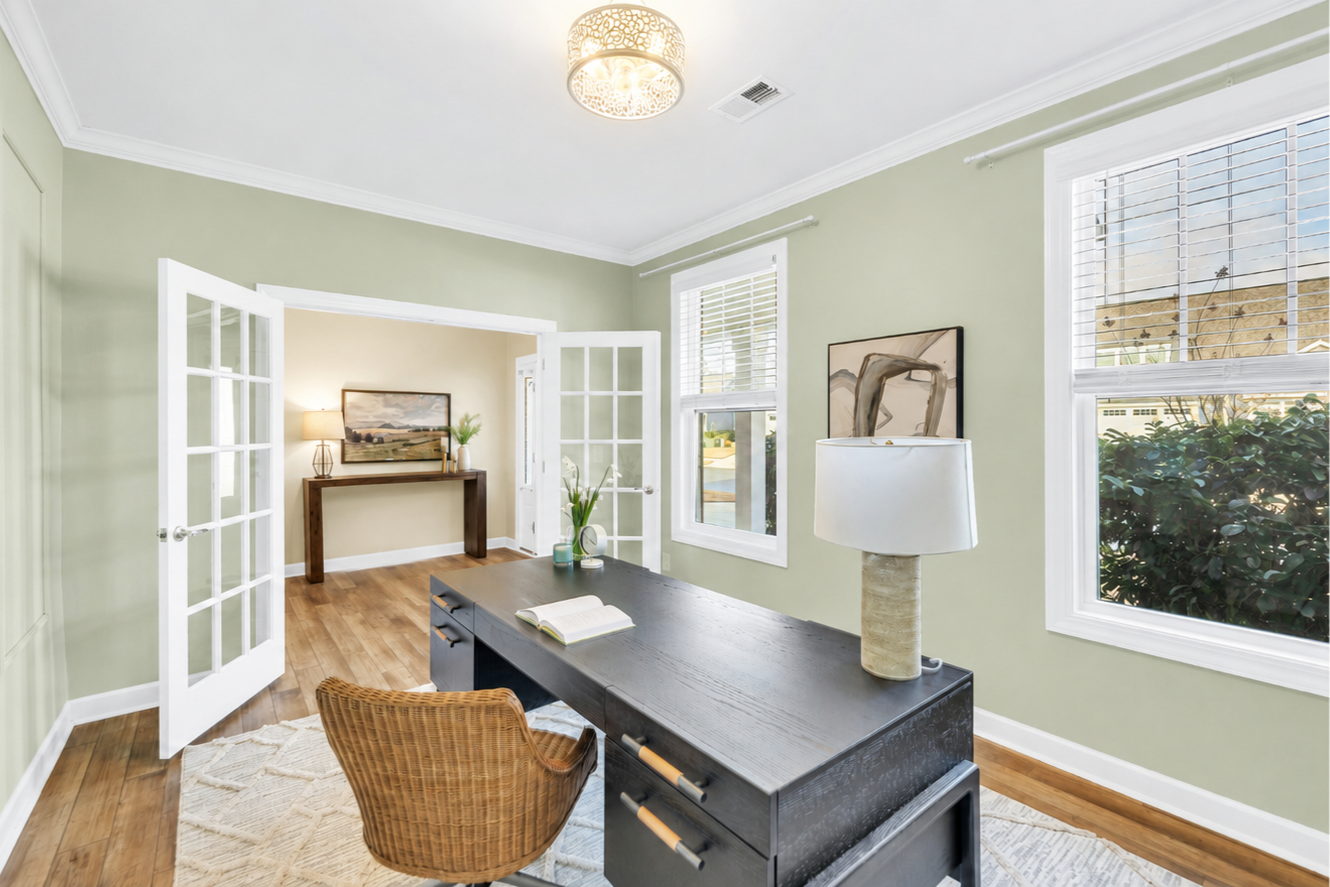
A few well-placed pieces of furniture, clean styling, and professional listing photos can make a rental feel more spacious, more maintained, and more worthy of the rent being asked. That doesn’t mean overdecorating. It means presenting the property in a way that helps tenants say yes faster.
Don't Overlook the Listing Description
Staging and professional photography may get someone to click on your listing, but the property description is often what convinces them to schedule a showing.
Think beyond the number of bedrooms and bathrooms. Help prospective tenants picture what it's like to live there. For tenants, we’re selling the lifestyle, not the house.
Depending on the property, highlight nearby amenities and destinations that matter to your ideal renter, such as:
Downtown Wilmington
Wrightsville Beach, Carolina Beach, or Kure Beach
UNC Wilmington
Novant Health New Hanover Regional Medical Center
Shopping, restaurants, breweries, and coffee shops
Parks, greenways, and dog parks
Walking trails and public boat ramps
Major employers and business districts
The key is knowing who you're trying to attract. A graduate student may care about being close to UNCW, while a traveling healthcare professional may prioritize proximity to the hospital. Young professionals might be drawn to downtown restaurants, breweries, and nightlife, while families may be looking for nearby parks and highly rated schools.
The more specific your listing is, the easier it is for prospective tenants to picture their daily life in the home before they ever schedule a showing.
Professional Property Managers Have Been Doing This for Years
If you've ever toured a large apartment community, you've probably noticed they almost always have one or more professionally staged model units.
That's not an accident.
Large apartment communities have understood for years that presentation helps lease apartments faster. Most maintain a professionally staged model for each floor plan, allowing prospective tenants to experience the layout in person while reusing the same professional photography in their marketing materials.
The same strategy can work for independent landlords and real estate investors.
Some property management companies have also developed standardized rent-ready processes to help owners prepare properties before they're listed. For example, Earnest Homes has published a helpful guide outlining the steps they recommend before bringing a rental property to market.
Whether you own one rental property or an entire portfolio, creating a consistent turnover process—including repairs, professional cleaning, staging, photography, a floor plan, and a well-written listing description—helps every vacancy become easier to market.
Preparing the property is only half the equation. Once you've attracted prospective tenants, a thorough tenant screening process helps protect your investment and ensures you're placing qualified renters in the home. Premier Real Property Management offers a helpful overview of what landlords should consider when screening rental applicants.
The goal isn't to start over every time a tenant moves out. It's to build a repeatable marketing system that helps your rental property lease faster every time it becomes available.
The ROI of Rental Property Staging in Wilmington
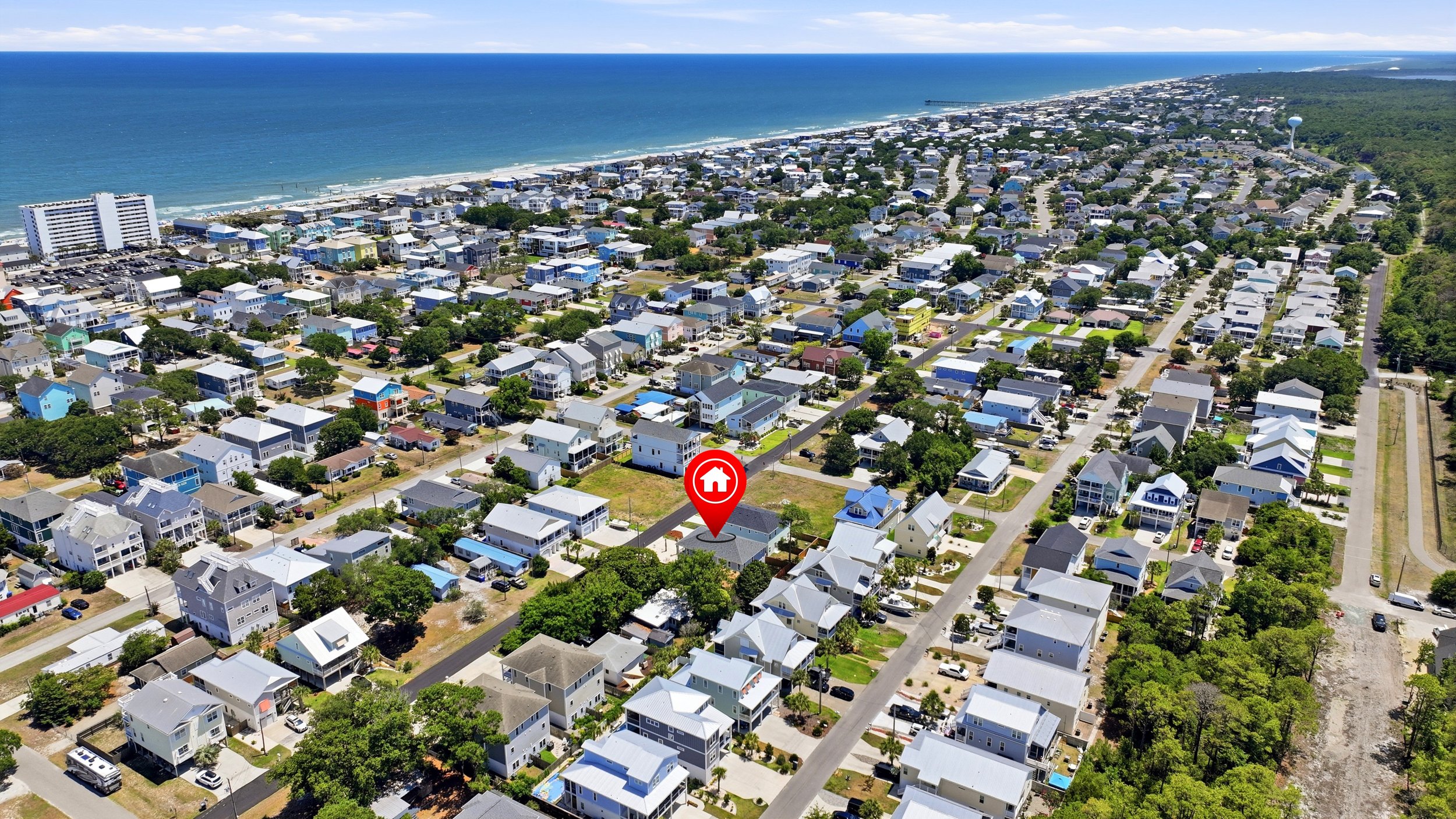
Wilmington has changed dramatically over the last several years. Having lived here since the early 2000’s, I’ve become one of those “this used to be woods” people. I’ve also worked with investors for years who had no trouble renting their properties, suddenly reaching out baffled as their homes sit vacant with few prospects. New residents continue to move to the area for the beaches, growing job market, and quality of life, while thousands of new apartment units have entered the market to meet that demand.
That means renters have more choices than ever before.
If your rental property is competing against a brand-new apartment community with professional photography, resort-style amenities, and beautifully furnished model units, simply posting a few cell phone photos of an empty house isn't enough anymore.
Fortunately, presentation is one of the few things you can control. (Re-read that if it didn’t land properly).
You can't control interest rates, the economy, or how many new apartment communities are being built. You can control how your property is presented to prospective tenants.
A well-prepared rental with thoughtful staging, professional photography, a floor plan, and a compelling listing description immediately creates a stronger first impression online. That often translates into more listing views, more inquiries, and more scheduled showings.
More importantly, it helps justify your asking rent.
When a home looks clean, well maintained, and move-in ready, prospective tenants perceive more value. Instead of comparing your property to the cheapest option on the market, they're comparing it to the best-presented options in their search.
The goal isn't simply to lease the property faster. It's to lease it to a qualified tenant while maximizing your return on investment.
The Bottom Line
The goal of rental property staging is simple: help prospective tenants see the value of your property before they ever walk through the front door. Better presentation reduces uncertainty, strengthens your listing, and helps justify your asking rent.
Unlike staging a home for sale, rental property staging doesn't have to be elaborate to be effective. A thoughtfully furnished living room, a welcoming primary bedroom, professional photography, a floor plan, and a well-written listing description are often all it takes to make a property stand out.
For landlords and real estate investors, staging shouldn't be viewed as an expense—it should be viewed as part of your marketing strategy. Once you've invested in professional staging and photography, those assets can often be reused for years. Unless you've made significant renovations or dramatically changed the home, those same listing photos can continue marketing your property every time it becomes vacant.
Vacancy is expensive. Presentation is something you can control. Whether you own one rental property or an entire investment portfolio, presenting your property in its best light can help attract qualified tenants, reduce vacancy, support your asking rent, and maximize your long-term return on investment.
In Wilmington's increasingly competitive rental market, the properties that lease the fastest aren't always the newest—they're often the ones that make the best first impression.
Need Help Preparing a Rental Property for Photos or Listing?
If you own a short, mid or long term rental property in Wilmington, NC and want it to stand out online, Mickler & Co. can help you decide what is worth staging, what can stay simple, and how to prepare the property for professional photos.
Whether you need vacant home staging, rental property styling, or guidance before listing, we’ll help you create a clean, functional, move-in-ready presentation that attracts qualified tenants faster.
Contact us HERE to schedule a consultation.
Frequently Asked Questions About Rental Property Staging
Is rental property staging worth the cost?
It depends on the property and the rental market, but in most cases, yes. Even reducing vacancy by a week or two can offset the cost of staging over a few turnovers. Since professional listing photos can often be reused for years, rental property staging is typically a long-term investment rather than a one-time expense.
Do I need to stage every room in a rental property?
No. Focus on the rooms that have the biggest impact on prospective tenants, such as the living room, primary bedroom, kitchen, and any unique spaces that help explain the home's layout. The goal is to help renters understand how the home functions—not to fill every room with furniture.
Can I reuse the same listing photos every time the property becomes vacant?
In most cases, yes. Unless you've completed major renovations, dramatically changed paint colors, or significantly altered the home, professional listing photos can often be reused for multiple tenant turnovers.
Should I stage an occupied rental property?
It depends on the condition of the home and the cooperation of the current tenant. Vacant properties are generally easier to stage and photograph, but occupied rentals can often benefit from decluttering, styling, and preparing the home for professional photography.
Should I hire a professional photographer?
Absolutely. Your listing photos are often the first showing. Professional photography, combined with thoughtful staging, helps your rental property stand out online and encourages more prospective tenants to schedule a tour.
Does rental property staging help justify higher rent?
Staging doesn't increase the market value of your rental, but it can increase its perceived value. A clean, well-presented home with professional photos often attracts more qualified applicants and gives landlords greater confidence in their asking rent.
Is rental property staging different from home staging for sale?
Yes and no. The design principles are very similar, but the objective is different. When staging a home for sale, the goal is to create an emotional connection that encourages buyers to make an offer. With rental property staging, the focus is on helping prospective tenants understand the layout, functionality, and livability of the home so they feel confident signing a lease.